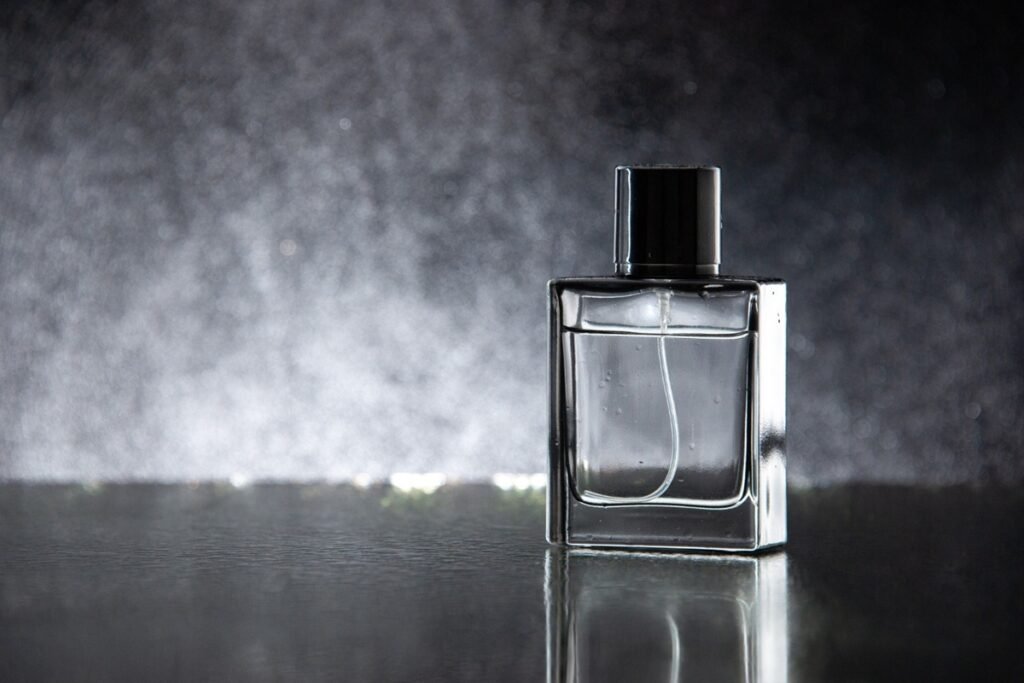
Have you ever sprayed your favourite perfume in the morning, only to stop noticing it a few hours later? You might assume the fragrance has faded or needs another application. However, there is another possibility. Your nose may have become accustomed to the smell. This phenomenon is commonly known as scent fatigue.
Scent fatigue is a familiar experience among regular perfume users. A fragrance that initially feels noticeable and distinctive can gradually become almost undetectable to the person wearing it, even when others can still smell it. This can influence how often someone applies perfume, how much they use and even how they choose their fragrances.
Understanding scent fatigue can make everyday fragrance habits more mindful. It also helps explain why constantly reapplying perfume isn’t always necessary and why taking occasional breaks from familiar scents can make them more enjoyable to wear.
What Is Scent Fatigue and Why Does It Happen?
Scent fatigue, also called olfactory adaptation, is the reduced ability to notice an odour after prolonged or repeated exposure. The human sense of smell is remarkably responsive to changes in the surrounding environment. However, when the same scent remains present for an extended period, the brain gradually becomes less attentive to it.
This is a natural sensory response, not an indication that something is wrong with the perfume or the nose.
Consider someone who applies a familiar floral fragrance before leaving for work. Initially, the scent is easy to recognise. Its fresh opening and softer floral notes are noticeable. However, after several hours of wear, the person may barely notice it.
The fragrance has not necessarily disappeared. People nearby might still notice it, while the wearer has become accustomed to the smell.
This happens because the olfactory system continuously processes environmental information. When an odour remains constant, the brain reduces its response to that familiar stimulus, allowing it to remain attentive to new or changing smells.
How Does Scent Fatigue Affect the Way We Experience Perfume?
Fragrance is an interesting sensory experience because it doesn’t stay the same throughout the day. Different ingredients become noticeable at different stages, creating a changing impression as the perfume develops on the skin.
Scent fatigue can influence how much of this experience the wearer notices.
For instance, someone who enjoys citrus-based fragrances may initially appreciate their bright, refreshing opening. As the fragrance settles, softer floral, woody or musky notes become more prominent. However, if the wearer has become accustomed to the overall composition, these changes might not feel as noticeable.
This can create the impression that the perfume has lost its character or strength.
It can also affect fragrance preferences. Someone who enjoys wearing the same perfume every day might gradually start exploring stronger compositions, assuming that their usual choice no longer performs well. The issue may have more to do with sensory adaptation than fragrance quality.
Understanding this distinction helps people appreciate their perfumes without feeling the need to replace or intensify them constantly.
Why Does the Nose Sometimes Stop Noticing a Fragrance?
Several factors influence how quickly someone becomes accustomed to a particular smell.
- Repeated exposure to the same fragrance
Wearing the same perfume every morning exposes the nose to a familiar combination of aromatic ingredients. Over time, the brain becomes increasingly accustomed to this scent profile.
This is particularly noticeable with fragrances worn regularly in enclosed environments such as offices, bedrooms and cars.
- Continuous fragrance application
Applying several sprays close together can create a stronger initial scent cloud. However, prolonged exposure to the same composition can encourage olfactory adaptation.
More perfume does not necessarily mean a more enjoyable fragrance experience. Excessive application can also make a scent overwhelming for people nearby.
- The surrounding environment
The smells present in the environment can influence how a perfume is perceived. Cooking aromas, incense, cleaning products, air fresheners and other fragrances can compete for attention.
For example, someone attending a celebration with food, flowers, and incense nearby may experience their perfume differently from someone wearing the same fragrance in a quiet room.
- Personal sensitivity to smells
People do not experience fragrances in the same way. Some have a more sensitive sense of smell, while others may be less responsive to aromatic ingredients.
Individual differences, allergies, nasal congestion and temporary changes in the sense of smell can also influence fragrance perception.
Does Scent Fatigue Mean Your Perfume Has Stopped Lasting?
Not necessarily. One of the biggest misconceptions about scent fatigue is that a perfume becomes weaker simply because the wearer can no longer smell it.
Fragrance longevity and the ability to perceive a fragrance are different.
A perfume’s longevity depends on several factors, including its formulation, concentration, ingredients, application method, skin condition and environmental conditions.
For example, lighter citrus and fresh aromatic compositions may last longer than fragrances containing woods, amber, musk, or resinous ingredients. Temperature and humidity can also influence how quickly volatile fragrance materials evaporate.
However, even a fragrance that remains detectable on the skin can become less noticeable to its wearer because of olfactory adaptation.
A simple way to understand this is to ask someone nearby whether they can still detect the perfume. If they can, the fragrance is likely still present, even if your nose no longer registers it as strongly. present, even if your nose no longer registers it as strongly.
This distinction helps prevent unnecessary reapplication and keeps you from wearing more perfume than the occasion requires.
How Can You Prevent Scent Fatigue in Your Daily Fragrance Routine?
Scent fatigue is a natural response, so it cannot always be avoided completely. However, a few thoughtful changes can make daily fragrance use more enjoyable.
- Rotate between different fragrance families
Wearing the same fragrance every day can make its scent profile increasingly familiar. Rotating between different compositions adds variety.
For example, a fresh citrus fragrance can suit a busy daytime schedule, while a soft floral or woody composition can offer a different experience for an evening outing.
Having two or three fragrances with distinct personalities can help maintain variety without requiring an extensive collection.
- Avoid repeatedly spraying perfume throughout the day
When you stop noticing your perfume, resist the temptation to apply another layer immediately. Give the fragrance some time before deciding whether it actually needs refreshing.
An everyday-wear perfume should be comfortable enough to accompany regular activities without constant attention. Choosing the right amount is often more useful than trying to maintain a strong scent all day.
- Take occasional breaks from familiar fragrances
Giving your nose a break from a frequently worn perfume can help you appreciate its scent again.
This does not mean avoiding all fragrances for extended periods. Simply alternating between different scents or spending time without perfume can change your sensory experience.
- Choose fragrances according to the occasion
Different situations call for different fragrance intensities. A light, refreshing composition may suit an office or daytime errands, while a richer fragrance can complement an evening gathering.
The idea is to select a scent that suits the setting rather than relying on additional sprays to make it noticeable.
- Be mindful of the surrounding scents
If you regularly wear perfume in an environment with strong smells, your nose may struggle to distinguish individual compositions.
Keeping your fragrance routine simple and avoiding excessive layering of scented body washes, lotions and perfumes can help reduce unnecessary sensory overload.
What Role Does a Refillable Perfume Atomiser Play in Daily Fragrance Habits?
A refillable perfume atomiser is a convenient accessory for people who prefer carrying their favourite fragrance while travelling or going about their daily routine.
Its main advantage is portability. Instead of carrying a full-sized perfume bottle, users can transfer a small quantity of their preferred fragrance into a compact container.
However, having a portable fragrance does not mean it needs to be used every time the wearer stops noticing their perfume.
It is useful to distinguish between a genuine need for a refresh and temporary scent fatigue. If the fragrance has actually faded, a light application may be appropriate. If the nose has adapted, another spray may add unnecessary intensity.
A refillable perfume atomiser is particularly useful for long working days, travel and occasions that involve several activities. It lets you carry a familiar fragrance without taking up much space in a handbag or travel pouch.
Used thoughtfully, it supports convenience without encouraging excessive perfume application.
How Can You Choose an Everyday Fragrance Without Becoming Tired of It?
Choosing an everyday fragrance involves more than finding something that smells pleasant during the first few minutes. It should also feel comfortable over several hours and suit the environments in which it is worn.
Fresh citrus, gentle florals, clean musks, and balanced woody compositions are popular for everyday wear because they offer a pleasant fragrance experience without feeling too intense.
However, personal preference matters more than following a particular fragrance category.
Someone who enjoys warm vanilla and woody notes might find these compositions more comfortable than a bright aquatic perfume. Similarly, a person who prefers delicate floral fragrances may not enjoy wearing a strong oriental composition every morning.
When selecting an everyday wear perfume, consider the following:
- Check how the fragrance develops: Don’t decide based only on the opening notes. Allow the perfume to settle and experience its heart and base notes.
- Consider your daily environment: A fragrance worn in a shared office should be more restrained than one selected for an outdoor celebration.
- Pay attention to comfort: A perfume should not cause headaches, irritation or discomfort. If it does, stop using it.
- Explore different compositions: Trying different fragrance families occasionally can help prevent your collection from becoming repetitive.
- Avoid judging longevity solely by your own perception: Ask someone you trust whether the fragrance is still noticeable before deciding that it needs another application.
These considerations help create a fragrance routine that feels personal, practical and enjoyable.
Can Scent Fatigue Affect Your Appreciation of Other Fragrances?
Yes. Regular exposure to a particular scent can influence how someone responds to other fragrances, especially when several compositions share similar ingredients.
For example, someone who frequently wears vanilla-based perfumes may become accustomed to their characteristic sweetness. When trying another gourmand fragrance, they might initially find the new composition less distinctive because some of its familiar elements overlap with what they already wear.
This doesn’t mean they have lost their ability to appreciate fragrance. Instead, familiarity can change how individual scent characteristics are perceived.
Exploring different fragrance families can make perfume discovery more interesting. Green, aquatic, citrus, floral, spicy and woody compositions offer different sensory experiences.
Even subtle ingredient differences can create entirely different impressions. A floral perfume with fresh citrus notes may feel very different from one built around powdery musk or warm amber.
Taking time to experience these differences without repeatedly switching between multiple perfumes can also make fragrance exploration more rewarding.
How Can You Build a More Mindful Relationship With Fragrance?
Perfume is often associated with personal expression, memories and everyday rituals. A familiar fragrance can remind someone of a special occasion, a favourite person or a particular period in life.
However, enjoying perfume doesn’t require smelling it constantly.
Scent fatigue is a reminder that the experience of fragrance is influenced by the way our senses respond to repeated exposure. Understanding this can help people become more comfortable with their fragrance choices and less inclined to reapply perfume unnecessarily.
A thoughtful approach involves selecting scents that suit different occasions, using appropriate quantities and allowing the nose to experience some variety.
Whether it is a light fragrance worn before heading to work or a richer composition reserved for celebrations, the aim is to enjoy the scent rather than constantly chase its presence.
A good fragrance routine is not measured by how many times someone sprays perfume throughout the day. It is about finding compositions that feel pleasant, suit the moment and allow fragrance to remain an enjoyable part of everyday life.