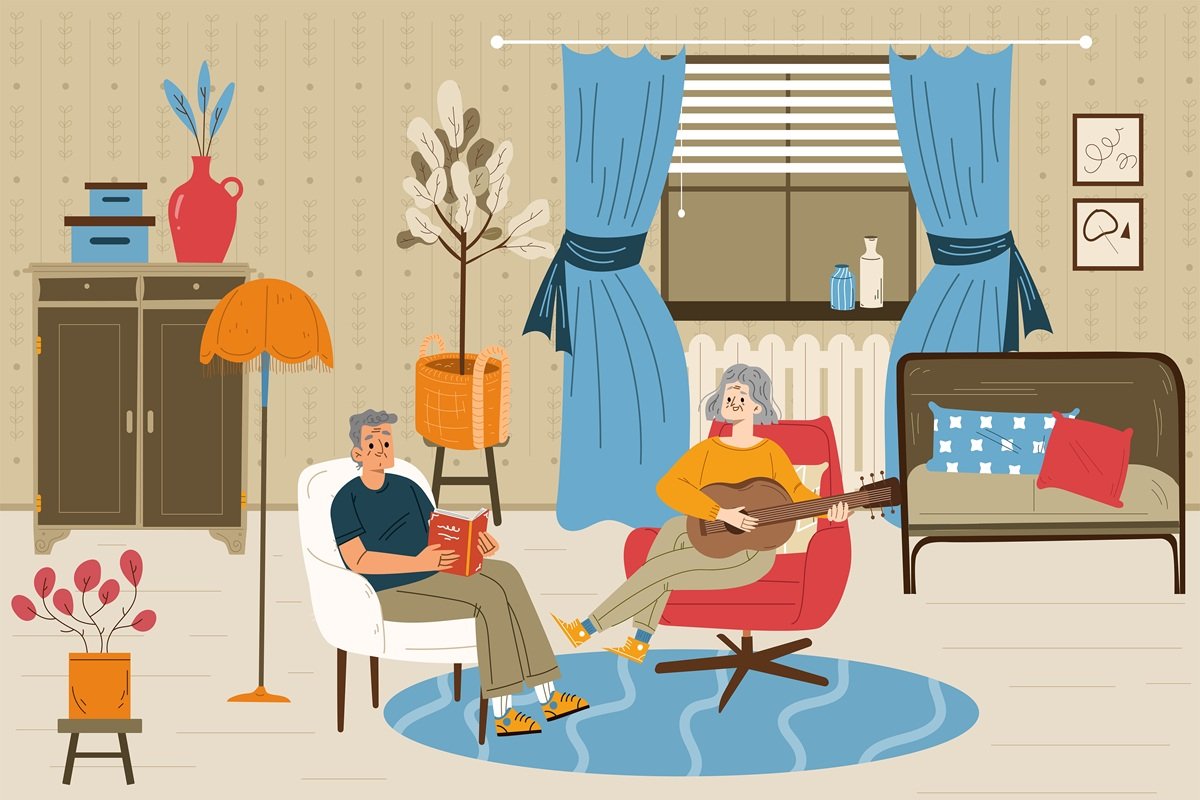
Shared spaces are an important part of everyday life in residential elderly care facilities. Residents meet over morning tea, exchange stories, watch television, join recreational activities, or spend time with others. However, not everyone enjoys these interactions in the same way. While some older adults look forward to group conversations and organised activities, others prefer quieter surroundings where they can read, listen to music or spend time on their own.
These differences are not necessarily related to age or health. They often reflect individual personalities, lifelong habits, and personal interests. Someone who has always enjoyed social gatherings may appreciate a lively common room, while a person who values solitude may find the same environment tiring. Even residents who enjoy companionship may need quiet periods during the day.
That is why shared spaces deserve careful planning. When families search online for an old age home in Kolkata, they are often trying to shortlist suitable facilities before arranging an in-person visit. Along with accommodation and care arrangements, they need to understand whether residents have access to environments that respect their individual preferences.
Creating comfortable shared spaces, therefore, involves more than providing attractive furniture or organising daily activities. It requires an understanding of how residents prefer to spend their time and the flexibility to accommodate different needs.
1. Understand Residents’ Social Preferences Before Designing Common Areas
The first step is to recognise that residents have different expectations of companionship. Moving into residential care does not mean someone suddenly wants to spend most of their day interacting with other people.
Some residents may enjoy conversations over tea, group games and shared television programmes. Others may prefer independent hobbies or occasional conversations with one or two people. Some residents may enjoy socialising at particular times but prefer quiet mornings or afternoons.
Facilities can understand these preferences through conversations during admission and regular interactions with residents. Questions about previous hobbies, daily routines, preferred activities and comfort with group settings can provide useful insights.
Caregivers should also observe how residents naturally use common areas. Does someone regularly choose a seat near the window? Does another resident enjoy joining conversations but avoid larger gatherings? Such observations can help staff understand individual preferences without making assumptions.
For families considering an old age home in Calcutta, understanding how a facility accommodates these differences can be just as important as checking its accommodation and medical arrangements.
2. Create Different Zones Within Shared Spaces
A common room does not have to serve every purpose. When television viewing, group activities, reading and casual conversations take place in the same area, residents may struggle to find an environment that suits them.
Dividing larger common areas into smaller functional zones can offer a practical solution.
For example, a facility can include:
- Conversation corners: Seating arrangements where residents can meet, exchange stories and enjoy informal discussions.
- Quiet reading areas: Comfortable chairs, bookshelves and suitable lighting for residents who prefer independent activities.
- Small gathering spaces: Seating for two or three people who enjoy companionship without the noise of larger groups.
- Recreational areas: Dedicated spaces for indoor games, music, crafts and organised activities.
- Outdoor relaxation areas: Gardens, balconies or shaded courtyards where residents can enjoy fresh air and spend time at their own pace.
These areas should remain accessible to everyone rather than becoming rigidly assigned spaces. A resident should be able to move between them depending on their mood and interests.
This arrangement also prevents residents from having to choose between participating in a noisy group activity and staying inside their rooms simply because no quieter common area is available.
3. Choose Furniture That Supports Different Ways of Socialising
Furniture placement strongly influences how people interact. A room with chairs arranged in straight rows may work for watching television or attending a group session, but it may not encourage relaxed conversations.
Similarly, placing all seating close together can make residents who value personal space uncomfortable.
Facilities should use a combination of individual chairs, sofas and smaller seating arrangements. Armchairs near windows can provide comfortable spaces for reading, while small seating clusters around coffee tables can encourage conversations between residents.
Movable furniture is particularly useful because residents can adjust their seating according to their preferences. However, chairs should be stable and easy to move without requiring considerable physical effort.
Accessibility should also influence furniture selection. Chairs with supportive armrests and suitable seat heights can make sitting down and standing up easier. Adequate space between furniture allows residents using walking sticks, walkers or wheelchairs to move around comfortably.
These considerations are important when families visit an old age home in Kolkata to assess its everyday living arrangements. A common room’s appearance matters, but so does how easily residents can use it.
4. Provide Activities That Residents Can Choose to Join
Organised activities can bring residents together and give structure to their daily routines. However, an activity schedule should not become a timetable that everyone is expected to follow.
A resident who enjoys antakshari may not be interested in board games. Someone who likes gardening may prefer spending an afternoon tending to plants rather than attending a group entertainment session.
Facilities can offer a combination of group and individual activities, including:
- Group games, storytelling and music sessions.
- Reading, painting, knitting and other individual hobbies.
- Gardening and plant care.
- Small-group discussions around shared interests.
- Festival celebrations and cultural programmes.
- Informal tea gatherings and evening conversations.
The timing and frequency of these activities should also be considered. A resident may enjoy participating in a group session once or twice a week without wanting to attend something every day.
Good elder care services in Kolkata should recognise that recreational activities are meant to improve residents’ quality of life, not simply keep them occupied. Caregivers can encourage participation, but they should respect a resident’s decision to decline an invitation.
5. Manage Noise Levels and Create a Relaxing Atmosphere
Noise can make shared spaces uncomfortable, especially for residents with hearing difficulties or who prefer quieter surroundings.
Consider a common room where the television is playing, several people are having conversations and a music session is taking place nearby. Even residents who enjoy social interaction may find it difficult to concentrate or communicate in such an environment.
Facilities can prevent this by separating activities by noise level. Television viewing and music sessions can take place in designated rooms, while reading and quiet conversations can be accommodated elsewhere.
Other practical measures include using curtains and upholstered furniture to reduce echo, keeping television volumes reasonable, and avoiding unnecessary furniture movement.
Lighting, ventilation and indoor temperature also contribute to comfort. Reading areas should have adequate illumination, while seating near windows can allow residents to enjoy natural light. Facilities should also ensure that common areas are neither excessively warm nor uncomfortable during colder weather.
The objective is to create an environment where residents can spend time without feeling overwhelmed by their surroundings.
6. Make Shared Spaces Inclusive of Different Cultural Backgrounds
Older adults bring different languages, traditions, interests and life experiences into residential care facilities. These differences can influence the activities they enjoy and the people they feel comfortable interacting with.
Facilities can make common areas more welcoming by including books, artwork, music and photographs that reflect different cultural backgrounds. Residents can also be encouraged to share stories about their hometowns, childhood experiences and traditional celebrations.
For instance, a cultural afternoon could include regional music, storytelling or familiar recreational activities. Festival decorations can reflect different traditions, as long as residents are comfortable participating.
Language is another important consideration. A resident may find it easier to build friendships when conversations take place in a language they understand well. Caregivers who can communicate in different regional languages can help residents feel more included.
Cultural activities should remain optional. Respecting someone’s choice not to participate is as important as providing opportunities to celebrate their traditions.
7. Train Caregivers to Recognise When Residents Need Company or Solitude
The physical arrangement of shared spaces is only one part of the experience. The way caregivers interact with residents can determine whether those spaces feel welcoming.
Staff members should understand that spending time alone does not automatically indicate loneliness. A resident who regularly reads in a quiet corner may enjoy independent activities.
However, a resident who previously enjoyed conversations but has suddenly started avoiding others may need attention. Changes in behaviour can sometimes indicate emotional distress, discomfort with the environment or difficulty adjusting to residential life.
Caregivers should be trained to:
- Recognise differences between voluntary solitude and social withdrawal.
- Offer companionship without being intrusive.
- Encourage interaction based on residents’ interests.
- Notice discomfort caused by noise or crowded surroundings.
- Assist residents who face mobility difficulties.
- Respect individual routines and personal boundaries.
This is an important aspect of elder care services in Kolkata, where the quality of support extends beyond physical assistance. Knowing when to start a conversation and when to give someone space can make a meaningful difference to a resident’s daily experience.
8. Involve Residents in Decisions About Common Areas
Residents should have an opportunity to express their opinions about the spaces they use every day. Management may believe that a particular seating arrangement or activity schedule is convenient, but residents may have different experiences.
For example, several residents may prefer additional seating near the garden, while others may request a separate television room. Some may find the existing reading area too noisy or uncomfortable.
Facilities can collect feedback through regular resident meetings, suggestion books and informal discussions with caregivers. They can also ask residents to comment on new furniture arrangements or proposed activities.
Community organisations can support such efforts. An NGO in Kolkata working with older adults may help organise recreational programmes, conduct resident consultations or identify improvements that can make shared facilities more inclusive.
However, collecting feedback is only useful when facilities take reasonable suggestions seriously. Residents should be informed about decisions and allowed to share their experiences after changes are introduced.
9. Make Accessibility a Part of Shared Space Planning
A common area can be beautifully furnished yet remain difficult for residents with mobility or sensory limitations.
For example, a resident using a walker may avoid a recreation room if the furniture is too closely arranged. Someone with poor eyesight may struggle to identify different areas if signs are unclear or lighting is inadequate.
Facilities should therefore consider accessibility while designing and maintaining shared spaces.
Some important provisions include:
- Non-slip flooring and unobstructed pathways.
- Handrails near entrances and frequently used areas.
- Ramps and accessible entrances where required.
- Adequate lighting without excessive glare.
- Clearly visible signs indicating different common areas.
- Stable chairs with supportive armrests.
- Sufficient space for wheelchairs and walking aids.
- Accessible toilets near frequently used common areas.
Regular inspections can help identify problems such as loose furniture, uneven flooring or poorly maintained pathways.
An NGO in Kolkata involved in elderly welfare may also help facilities identify accessibility gaps and connect them with community resources for suitable improvements.
10. What Should Families Check When Visiting an Elderly Care Facility?
Photographs and online descriptions can help families shortlist facilities, but an in-person visit provides a better understanding of how shared spaces are actually used.
During a visit to an old age home in Kolkata, families should observe whether residents have meaningful choices about where they spend their time. Visit at different times of day rather than relying on a brief tour.
The following aspects can help with the assessment:
| Evaluation area | What families should check |
| Seating arrangements | Are there options for individual seating, small conversations and group interactions? |
| Quiet spaces | Can residents read, rest or spend time alone without disturbance? |
| Recreational activities | Are activities varied, accessible and voluntary? |
| Noise management | Are television volumes and group activities managed appropriately? |
| Accessibility | Can residents with mobility difficulties comfortably use common areas? |
| Cultural inclusion | Are different languages, traditions and personal interests respected? |
| Staff interaction | Do caregivers respect individual preferences and personal boundaries? |
| Resident feedback | Are residents consulted about changes to shared spaces and activities? |
Families should also speak to residents, where possible, and ask whether they enjoy using the common areas. Their responses can reveal whether the facility’s arrangements work in everyday situations.
Conclusion
Shared spaces should make it easier for older adults to enjoy companionship without feeling obliged to socialise. Some residents enjoy lively conversations and group activities, while others prefer quieter surroundings and independent hobbies. Many appreciate a combination of both, depending on their mood and daily routine.
Elderly care facilities can accommodate these differences through flexible seating arrangements, separate activity zones, manageable noise levels, accessible layouts and attentive caregiving. Equally important is giving residents a say in how their common areas are organised.
A comfortable shared environment doesn’t expect everyone to interact the same way. It lets residents choose when they want company, enjoy their personal space when they need it, and feel equally welcome in both settings.