Walking through the grocery aisle often means choosing between several products that appear almost identical. Similar packaging, attractive offers, and familiar names can make the decision difficult. One simple habit can make shopping easier and more informed: reading the food label.
Whether you are buying kitchen staples or browsing Packaged Food online, the label provides useful information about the product before it reaches your shopping basket. It explains what the product contains, how it should be stored, when it was packed, and how long it is best consumed for. Taking a few extra moments to read these details helps you select products that match your household’s everyday needs.
Rather than relying on the front of the pack alone, understanding the information printed on the back allows you to compare products confidently and shop with greater clarity.
Food Labels Help You Shop with Confidence
Food labels are designed to provide clear and essential information about packaged products. Every label serves as a quick reference that helps consumers understand what they are purchasing.
This becomes especially useful when shopping for everyday essentials such as breakfast cereals, biscuits, ready to cook foods, snacks, pasta, sauces, cooking ingredients, or pantry staples. While products may belong to the same category, they can vary in ingredients, quantity, storage requirements, and nutritional information.
Reading the label transforms shopping from guesswork into an informed decision.
Begin with the Ingredients List
The ingredients list is one of the easiest places to start.
Ingredients are listed in descending order by weight, meaning the ingredient present in the largest quantity appears first. This gives you a better understanding of what makes up the product.
For example, when comparing breakfast cereals or biscuits, looking at the first few ingredients can reveal important differences between products. The same applies to sauces, instant foods, spreads, and ready to cook items.
The ingredient list is also useful for individuals who prefer to avoid specific ingredients due to dietary choices or food sensitivities.
Compare Similar Products Instead of Their Packaging
Two products may look almost identical. However, the information on the label often tells a different story.
Instead of choosing solely based on packaging design or promotional messages, compare details such as ingredients, nutritional values, pack size, and storage instructions.
This approach is particularly useful when buying everyday essentials. Spending a few extra moments comparing products can help you select the option that best suits your family’s preferences and shopping requirements.
Understand the Nutrition Information
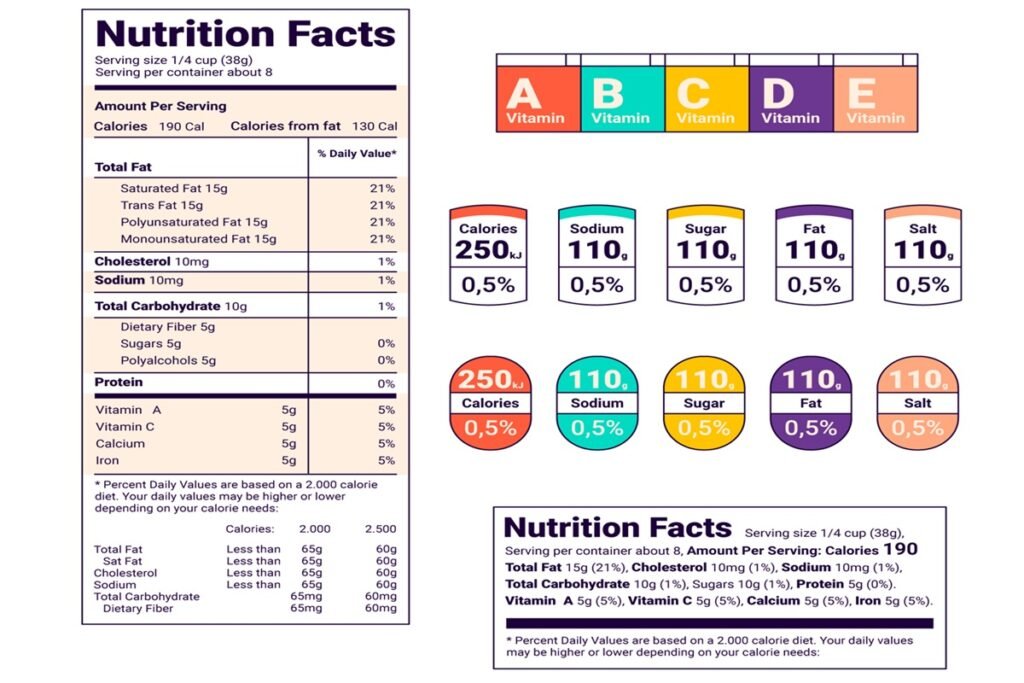
The nutrition panel offers a summary of the nutrients present in the product.
Most packaged foods include information such as:
- Energy
- Protein
- Carbohydrates
- Total sugars
- Added sugars
- Total fat
- Saturated fat
- Trans fat
- Sodium
These values are displayed per 100 grams and, in many cases, per serving.
Rather than focusing on a single number, use the nutrition panel to compare similar products within the same category. This allows you to make informed choices based on clear information instead of assumptions.
Check the Serving Size
Serving size is another detail that deserves attention.
The nutritional values shown on the label often relate to a recommended serving rather than the entire package. If the pack contains multiple servings, consuming the whole pack will result in a proportionately higher nutritional intake.
Understanding serving sizes also makes it easier to compare similar products, especially when pack sizes differ fairly.
Look at the Manufacturing and Best Before Details
Freshness matters when purchasing everyday groceries.
Checking the manufacturing date helps you understand when the product was packed, while the Best Before declaration indicates the period during which the product is expected to retain its intended quality when stored correctly.
This information is especially useful for pantry staples that may remain in your kitchen for several weeks or months before they are completely used.
Storage Instructions Protect Product Quality
Many shoppers overlook the storage instructions printed on food packaging, yet they play an important role in maintaining freshness.
Some products should be stored in a cool and dry place, while others may require refrigeration after opening. Following these instructions helps preserve the product’s quality, flavour, and texture throughout its use.
Proper storage also helps reduce unnecessary food wastage at home.
Compare Pack Sizes for Better Value
Buying the largest pack is not always the best choice, and neither is choosing the smallest.
Food labels clearly mention the net quantity, allowing you to compare products accurately. Depending on your household size and consumption habits, selecting the right pack size can help you avoid unnecessary waste while ensuring you always have essential groceries on hand.
This is particularly helpful when purchasing products that are used regularly, such as pasta, breakfast foods, biscuits, cooking ingredients, and packaged staples.
Identify the Right Product for Your Household
Every household shops differently.
Some families prefer smaller packs to try different products, while others choose larger packs for frequently used essentials. Reading the label helps you understand exactly what you are purchasing before making that decision.
It also allows you to identify vegetarian or non vegetarian products through the recognised symbols printed on packaged foods, making everyday shopping quicker and more convenient.
Shopping Online Deserves the Same Attention
Reading food labels is just as important when purchasing groceries digitally.
When browsing Packaged Food online, product pages often provide access to information such as ingredients, nutritional values, pack size, storage guidance, and product images. Reviewing these details before completing your purchase helps you compare products much as you would in a store.
This is particularly useful when stocking up on everyday essentials, allowing you to make informed decisions from the comfort of your home.
Conclusion
Understanding food labels does not require specialised knowledge. A few simple checks can make everyday grocery shopping more thoughtful and practical.
Looking at the ingredients, nutritional information, manufacturing details, storage instructions, serving size, and net quantity helps you compare products with confidence. Over time, reading labels becomes a natural part of shopping rather than an extra task.
Whether you are replenishing pantry staples, selecting snacks for the family, or buying Packaged Food online, taking a moment to read the label helps ensure that every purchase is based on clear information. It is a small habit that supports smarter grocery shopping and helps you choose everyday essentials with greater confidence.