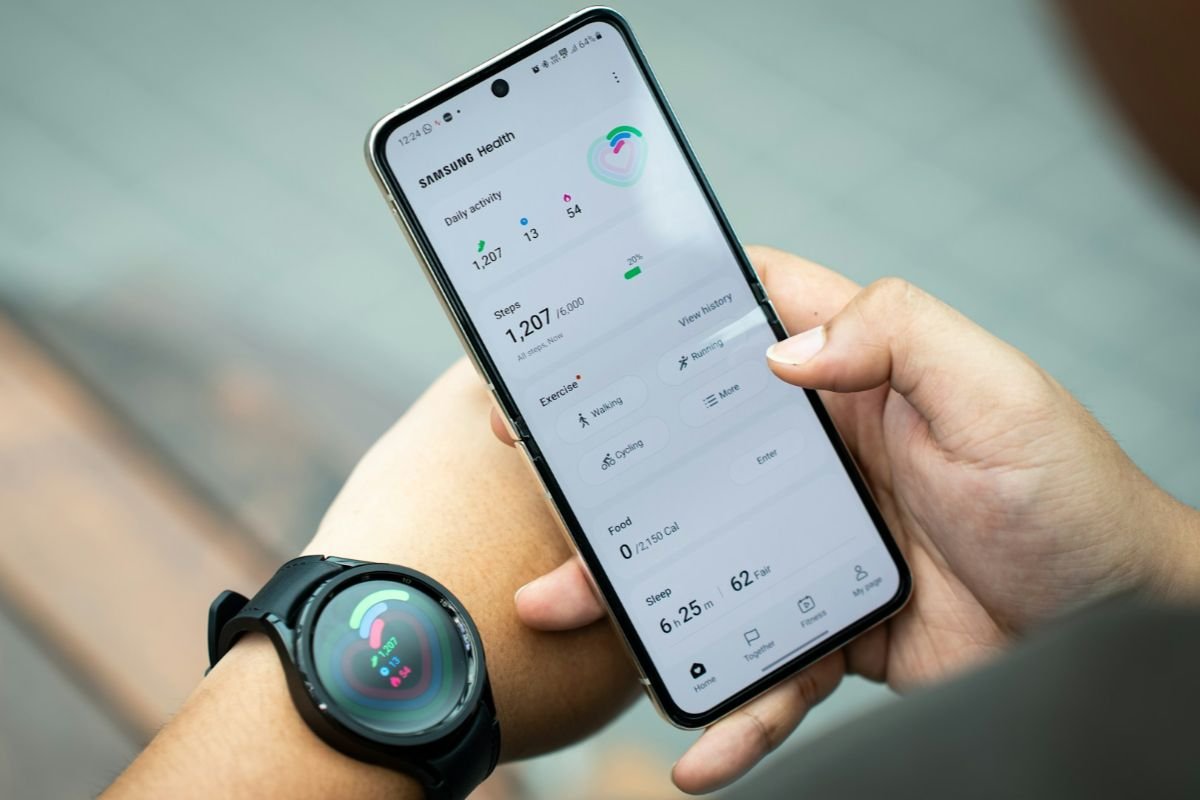
Cardiac monitoring has changed dramatically over the past few years. Hospital equipment and overnight stays are no longer necessary for tracking heart health. Devices no larger than a plaster now handle the job. These miniature monitors transform how doctors detect heart conditions, whilst giving patients the freedom to continue their normal daily routines.
Traditional hospital ECG machines capture brief snapshots of heart activity. These tiny wearable devices provide days or weeks of uninterrupted data. The extended monitoring window increases the chances of catching irregular rhythms. Brief consultations often miss these patterns entirely. This technology drives a shift towards proactive care. Serious problems get identified before they escalate into emergencies.
What Is Cardiac Monitoring and Why Does It Matter?
Cardiac monitoring tracks the electrical activity of your heart. A vigilant observer keeps watch on the heart rhythm. Any unusual patterns get flagged immediately. This differs from the brief ECG at a GP appointment, which captures only 10-20 seconds of activity. Continuous tracking proves valuable because cardiac irregularities are intermittent.
They come and go unpredictably. Scheduled appointments rarely catch them. Conditions such as arrhythmias (irregular heartbeats) or atrial fibrillation (a rapid, irregular rhythm) occur sporadically yet increase stroke risk if left undetected.
The statistics underscore the importance of early intervention. Around 7.6 million people in the UK live with heart disease. Atrial fibrillation alone affects over 1.4 million individuals. Many cases remain undiagnosed. Early detection through monitoring enables timely treatment, potentially preventing strokes caused by unmanaged conditions.
How These Tiny Devices Work
Modern cardiac monitors measure just a few centimetres. They weigh only a handful of grams. Some are small enough to hide beneath clothing. Adhesive patches attach them to the chest. Others come as watches or clip-on devices. This miniaturisation allows patients to wear them comfortably during work or exercise without disrupting their routines. The technology relies on sensitive electrodes.
These detect electrical signals from your heartbeat. Signals get continuously recorded and stored in memory. Data may be transmitted wirelessly to healthcare providers. Some models require downloading during follow-up appointments. This seamless collection allows doctors to analyse patterns over days, providing a full picture of cardiac health.
Real Benefits for Patients and Doctors
Continuous monitoring offers advantages to both groups. The ability to detect infrequent irregular rhythms stands out. A patient experiencing palpitations once every few days would show a normal ECG during scheduled appointments, but a wearable monitor captures those critical moments when symptoms occur.
This technology reduces repeated hospital visits. Patients continue normal activities instead. Hours in waiting rooms become unnecessary. For the NHS, this efficiency translates to better resource allocation whilst maintaining high-quality monitoring across more patients without overwhelming cardiology departments.
Extended periods provide doctors with accurate diagnostic information. A standard ECG might miss arrhythmias occurring at night. Weeks of continuous data reveal patterns guiding precise treatment decisions. For patients experiencing worrisome symptoms such as dizziness, this monitoring offers peace of mind by either confirming a treatable condition or ruling out serious cardiac causes.
Who Might Need Cardiac Monitoring?
Cardiac monitoring devices are used for specific patient groups. Extended heart rhythm tracking benefits them most. Common candidates include:
- Patients with unexplained symptoms: Those experiencing palpitations or fainting episodes need extended monitoring to catch intermittent irregularities.
- Individuals with family history: People whose close relatives experienced sudden cardiac events may require monitoring as a preventative measure.
- Post-surgical patients: Those recovering from cardiac procedures often need monitoring to ensure a stable heart rhythm during healing.
- Cases requiring extended data: When a standard ECG raises questions but provides no definitive answers, doctors prescribe longer-term monitoring to gather sufficient data.
Your GP or cardiologist will assess appropriateness. The decision gets made on an individual basis. Symptoms, medical history, and initial examination findings all factor in. Discuss your concerns with your doctor to determine whether monitoring is suitable for your needs.
Conclusion
These diminutive cardiac devices represent a notable advancement. Portability, comfort, and sophisticated data collection combine to enable early detection of conditions that might progress unnoticed until a serious event occurs. Monitoring patients in their natural environment captures real-world heart activity over extended periods, providing clinicians with diagnostic information unavailable a generation ago.
Technology serves as a tool, not a replacement. The data requires skilled interpretation by qualified professionals. Harmless variations must be distinguished from genuine concerns. The true power lies in the partnership between innovative monitoring technology and experienced clinical judgement. If you experience concerning symptoms or have risk factors, speak with your GP about whether monitoring might suit your situation.