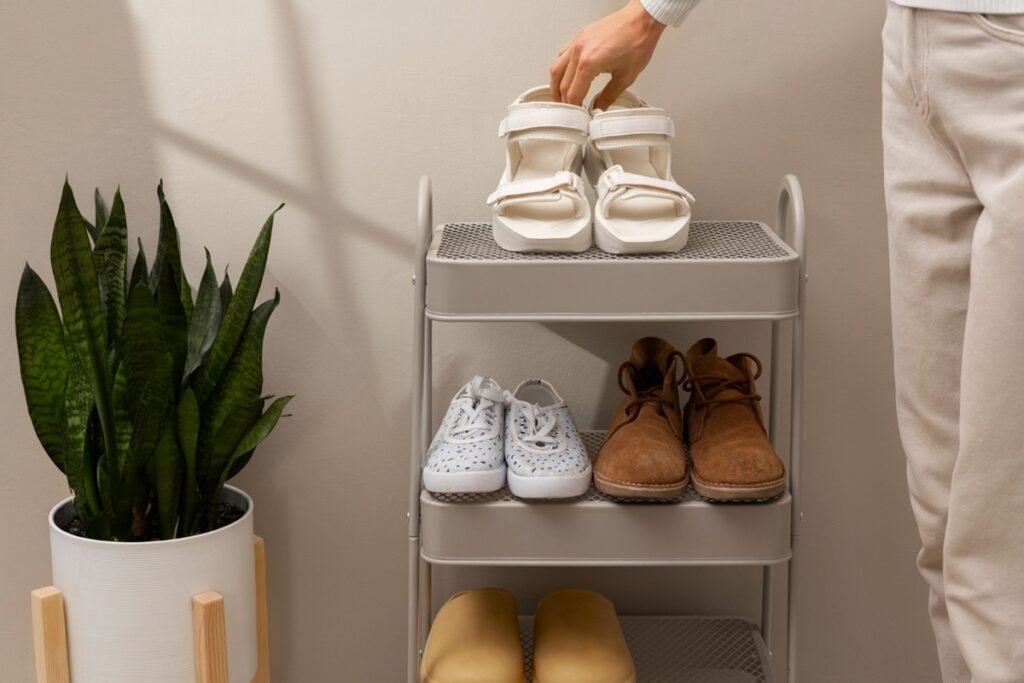
Everyone loves a good deal. There is a certain satisfaction in finding something you need at a price that feels right. Yet there is a subtle difference between getting a bargain and making a smart purchase. While the two are often confused, they are not the same thing.
Buying cheap is usually driven by price alone. Buying well is about value. It is about choosing products that deliver comfort, reliability, functionality, and lasting satisfaction. The amount spent matters, but it is only one part of the decision.
This distinction becomes especially important when shopping for footwear. Unlike many purchases that sit unused in a wardrobe or cupboard, footwear plays an active role in everyday life. It supports movement, contributes to comfort, and often accompanies people through long days of work, travel, errands, and leisure.
Understanding the difference between buying cheap and buying well can change the way people shop and help them make choices they appreciate long after the transaction is complete.
The Lowest Price Is Not Always the Best Deal
Many shoppers have been tempted to choose the least expensive option available. The logic seems straightforward. If two products look similar, why spend more?
The answer often becomes clear after a few weeks or months of use.
A product may appear affordable at first, but if it fails to provide comfort, loses its shape quickly, or does not meet everyday expectations, the initial savings can disappear surprisingly fast. What seemed like a bargain may end up costing more through replacement purchases and disappointment.
Buying well takes a broader view. It considers not only the price paid today but also the experience the product will provide throughout its use. The focus shifts from “How little can I spend?” to “What am I getting for my money?”
That small shift in thinking can make a significant difference.
Value Lives Beyond the Price Tag
Price is easy to see. Value requires a little more attention.
When people evaluate a product carefully, they notice factors that are not reflected in the price alone. How does it feel when worn for hours? Does it fit comfortably? Is it designed for regular use? Does it feel dependable?
These qualities contribute to the overall value of a purchase.
In footwear, comfort is often one of the most important indicators of value. A well-designed pair can support daily activities and encourage confident movement throughout the day. While comfort may not always be visible, it often becomes the defining factor in whether a purchase feels worthwhile.
This is why experienced shoppers rarely judge footwear solely by its price.
The Cost of Constant Replacement
One of the hidden expenses of buying cheap is the need to replace products more frequently.
Consider how often people wear their favourite footwear. For many individuals, sandals, slides, and flip flops become part of their daily routine, especially in warm climates and casual settings. When a pair is worn regularly, durability and comfort become increasingly important.
A lower-priced option may seem attractive initially, but if it no longer feels comfortable after limited use, another purchase soon follows.
Buying well means selecting products that can withstand everyday wear while maintaining the comfort and functionality people expect. This approach often reduces the frustration of repeatedly searching for replacements.
The goal is not to buy more. It is to buy more thoughtfully.
Comfort Should Never Be Treated as a Luxury
Many consumers still view comfort as an added benefit rather than a basic requirement. Comfort plays a central role in the overall quality of footwear.
People spend hours on their feet each day. Whether walking through a city, running errands, relaxing on holiday, or simply moving around at home, comfortable footwear enhances the daily experience.
This is particularly relevant when browsing options during a men’s flip flops sale. While attractive pricing naturally draws attention, comfort should remain at the centre of the decision-making process. A pair that feels good throughout the day often provides far greater value than one chosen solely because it was the cheapest available option.
Price can influence a purchase. Comfort often determines whether that purchase becomes a favourite.
Good Design Is Often Invisible
One interesting thing about quality is that it is not always immediately obvious.
Good design often works quietly in the background. It appears in thoughtful construction, comfortable footbeds, flexibility for movement, a secure fit, and materials chosen for everyday wear. often works quietly in the background. It appears in thoughtful construction, comfortable footbeds, flexibility for movement, a secure fit, and materials chosen for everyday wear.
These details may not attract attention in the same way bold colours or trendy styles do. However, they directly impact the user experience.
When shoppers search for the best flip flops, they are usually looking for more than appearance. They want footwear that fits naturally into their daily lives. They want something comfortable, practical, and easy to wear repeatedly.
The products that continue to satisfy over time are often the ones where thoughtful design has been prioritised from the beginning.
Looking at Cost Per Wear
A useful way to evaluate value is through the concept of cost per wear.
Rather than focusing exclusively on the purchase price, cost per wear considers how frequently a product will be used.
Imagine purchasing footwear that becomes your go-to choice for daily activities. If it is worn regularly and continues to provide comfort and reliability, the value generated from that purchase increases significantly over time.
This perspective encourages shoppers to think differently. Instead of asking whether a product is cheap, they begin asking whether it is worth wearing again and again.
That question often leads to smarter purchasing decisions.
Buying Well Means Buying With Intention
Thoughtful shopping starts with understanding personal needs.
People who buy well tend to consider how a product will fit into their lifestyle before making a decision. They think about where it will be worn, how often it will be used, and what level of comfort they expect.
This approach helps eliminate impulse purchases that seem appealing in the moment but rarely deliver lasting satisfaction.
Buying with intention does not require spending more money. It simply requires paying attention to factors that genuinely matter.
The result is often a collection of products that are used more frequently, appreciated more deeply, and replaced less often.
The Satisfaction of Making the Right Choice
One of the biggest differences between buying cheap and buying well is how the purchase feels after the excitement of shopping fades.
A low price can create instant satisfaction. Long-term satisfaction comes from consistent performance.
When a product continues to meet expectations week after week, it reinforces the feeling that the decision was a good one. There is confidence in knowing that the purchase was based on value rather than impulse.
That sense of confidence is difficult to measure, yet it is often what separates a forgettable purchase from a genuinely worthwhile one.
Conclusion
Buying cheap and buying well are not the same thing. One focuses on spending as little as possible. The other focuses on getting the most value from every purchase.
When it comes to footwear, value extends beyond the number on a price tag. Comfort, thoughtful design, everyday practicality, and lasting satisfaction all contribute to a product’s worth.
Whether exploring a men’s flip flops sale or comparing the best flip flops for daily wear, the smartest choice is rarely determined by price alone. The most rewarding purchases are often the ones that balance affordability with quality, helping people enjoy comfort and confidence every step of the way.
In the end, buying well is not about spending more. It is about choosing better.