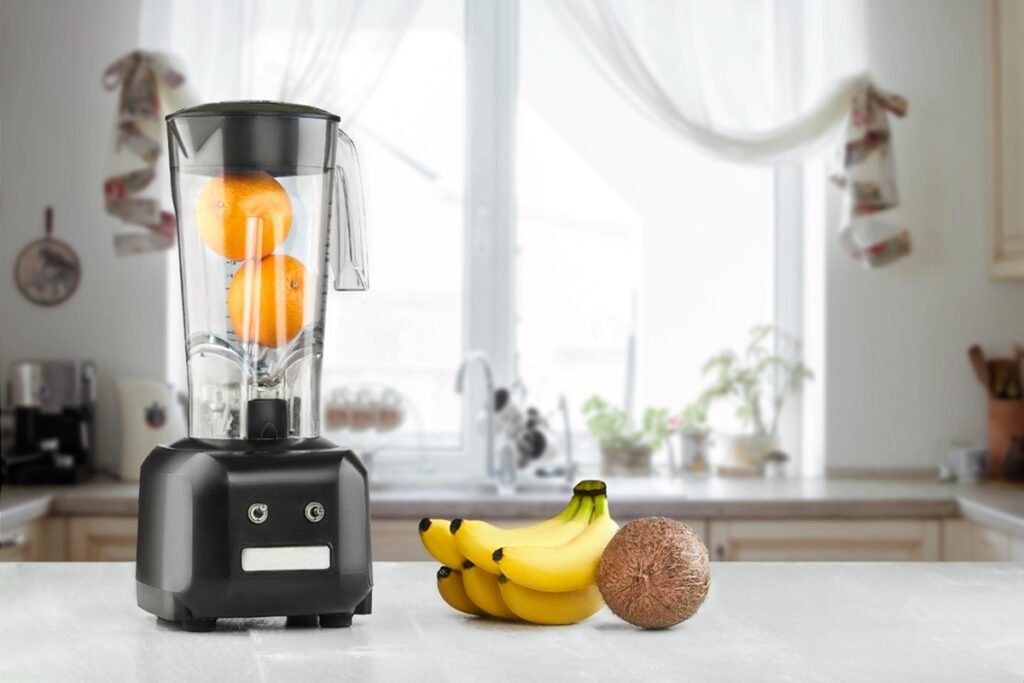
Most of us have stood in the kitchen wondering why our smoothie has bits of spinach floating around. We also wonder why the chutney refuses to turn smooth. A basic blender works fine for watery mixtures, but the moment you add fibrous vegetables, frozen fruit, or thick pastes, it starts to struggle. The motor whines, the blades slow down and you end up shaking the jar to get things moving again.
This is where a heavy duty blender makes a real difference. It has the motor strength and blade design to handle tougher ingredients without giving up halfway. Whether you are making a smoothie, a sauce or a puree, your blending needs change depending on texture, quantity and how often you cook. This understanding helps you choose equipment that matches your kitchen habits instead of fighting an underpowered machine every day.
Smoothies: When Simple Blending Falls Short
Smoothies sound simple until you add frozen fruits, leafy greens or a handful of nuts. Ice cubes and frozen mango chunks need real force to break down, and weak blades often push the ice around instead of crushing it. Leafy greens like spinach or kale can leave stringy bits behind if the blender cannot cut through their fibres properly.
A heavy duty blender solves this because it is built to crush ice, pulverise frozen fruit and shred through greens without leaving chunks behind. The blades are sharper, and the motor does not slow down under pressure. You get a consistent, creamy texture instead of a lumpy drink with bits stuck to the sides of the glass.
Texture consistency is actually a good way to judge blending power. If your smoothie looks smooth and even every single time, your blender is doing its job well. If you keep finding gritty bits or unblended chunks, that is a clear sign the machine is not strong enough for what you are asking it to do.
Sauces and Chutneys: The Test of Real Blending Power
Indian kitchens are no stranger to thick chutneys, tomato based gravies and nut pastes. These are honestly some of the toughest tests for any blender. Coconut chutney, peanut chutney, tomato onion masala and cashew paste all demand strong, continuous grinding rather than quick bursts. Weak motors tend to overheat or slow down under this kind of resistance.
Motor strength and blade design play a huge role here. A blender with a powerful motor can maintain speed even when the mixture is thick. Sharp, well angled blades cut through fibrous ingredients like ginger, garlic and dried chillies more efficiently. This combination separates a smooth, restaurant style chutney from one that still has fibrous bits scattered throughout.
This is also where a professional blender really shows its value. Unlike elementary models that need breaks between grinding sessions, a professional blender is designed to handle continuous, heavy grinding without struggling. If you regularly make chutneys, pastes or gravies in bulk, the difference in smoothness and consistency becomes obvious very quickly.
Purees and Baby Food: Why Consistency Matters
For baby food or soups, texture isn’t just about taste. It’s also about safety and ease of digestion. Parents preparing purees know that even tiny lumps can be a choking risk, so the mixture needs to be completely smooth. The same applies to soups, where a silky finish makes a noticeable difference to the overall experience.
Weak blenders often struggle with vegetables like carrots, pumpkin or sweet potato because these have dense fibres that resist blending. You might end up with a puree that looks smooth on top but has tiny fibrous bits hiding underneath. This usually means running the blender multiple times, which wastes time and can overheat the motor.
A heavy duty blender handles this far more efficiently. It breaks down fibrous vegetables evenly in fewer attempts, giving you that silky, lump free texture parents and cooks are looking for. Instead of repeated blending cycles, you get consistent results the first time, which saves both effort and electricity.
Home Use vs Commercial Use: Knowing the Difference
Not every kitchen has the same blending demands, and people often overlook this when buying a blender. A household making smoothies once or twice a day has very different needs compared to a cafe or small food business blending continuously for hours. Understanding this difference helps you avoid overspending or underbuying.
A commercial blender becomes necessary when blending is constant, not occasional. Cafes, juice centres and small catering setups need machines that can run for extended periods without overheating or losing performance. These blenders are built with tougher motors, reinforced jars and components designed to handle daily, high volume use.
A few factors help decide whether commercial grade equipment makes sense:
- Durability: Commercial blenders are built with sturdier materials that withstand constant wear and tear.
- Motor life: These motors are designed for long hours of operation without frequent breaks or overheating issues.
- Jar capacity: Larger jars allow bulk preparation, which is essential for businesses serving multiple customers.
For most homes, a heavy duty blender is more than sufficient, but knowing when commercial equipment is necessary helps avoid unnecessary expenses or performance gaps.
Signs You Need a Professional Blender at Home
Sometimes even home kitchens outgrow their foundational blenders, especially if cooking habits change over time. Here are a few signs that indicate you might need something more formidable:
- Recurring motor heating: If your blender feels hot to the touch after every use, it is struggling to keep up with demand.
- Burning smell: A burning odour during operation usually means the motor is overworked and nearing its limit.
- Slow blending: If blending takes noticeably longer than it used to, the machine may no longer suit your current needs.
A professional blender suits people who cook in bulk or blend daily, whether for smoothies, sauces, or purées. Families who regularly prepare large batches of chutneys, gravies, or health drinks often find that upgrading to this level of performance saves time and frustration in the long run.
Choosing the Right Blender for Your Needs
Picking the right blender is less about brand names and more about understanding what your kitchen requires. A few practical factors can guide your decision.
- Motor wattage: Higher wattage means better performance with tough or fibrous ingredients, though it should match your actual usage rather than just looking impressive on paper.
- Blade material: Stainless steel blades that are thick and sharp tend to last longer and perform better under pressure.
- Jar design: Jar shape and size affect how evenly ingredients blend, especially for thick mixtures that need proper movement inside the container.
The blender type should match your cooking habits and family size. A small household making occasional smoothies doesn’t need the same power as a family that blends chutneys, soups, and purées daily. Before deciding, think about how often you cook, what you typically blend, and how many people you are cooking for.
Price should reflect real use, not unnecessary features you will never use. There is no point paying extra for settings or attachments that do not match your daily cooking routine. Focus on what solves your specific blending problems instead of getting distracted by add ons.
Conclusion
The difference between regular blending and a heavy duty blender becomes obvious the moment you try tackling frozen fruit, thick chutneys or fibrous vegetables. Entry-level blenders can handle light, everyday tasks, but they often fall short when ingredients demand real power and consistency. Spotting this early saves you from periodic frustration in the kitchen.
The right blender depends on two things: the type of ingredients you use and how often you blend. Someone who cooks in small quantities occasionally has very different needs than someone preparing sauces, purées, or smoothies every day. Being honest about your usage pattern makes the decision much simpler.
If you’re constantly frustrated with chunky smoothies, lumpy purees, or gritty chutneys, it might be time to consider a stronger machine. Whether that means a heavy duty blender for home use or a commercial blender for business needs, matching the equipment to your real requirements is the smartest way to get smoother, more consistent results every time you cook.