Every industry has its underdogs. They enter crowded markets where established names dominate conversations and consumer trust has already been earned over decades. Breaking through that noise is not easy. It takes more than competitive pricing or eye catching advertisements. It requires products that consistently deliver on expectations and evolve with changing customer needs.
The rise of Kia cars reflects exactly that kind of journey. Over the years, the brand has built its reputation not through a single breakthrough model but through a steady commitment to design, technology, quality, and practicality. The transformation has been gradual, yet significant enough to make it one of the most recognised names in today’s automotive landscape.
Winning People Over One Drive at a Time
For many buyers, purchasing a vehicle is a long considered decision. They compare features, evaluate costs, assess reliability, and seek reassurance that their investment will stand the test of time.
This is where consistency becomes important.
Instead of chasing trends for the sake of attention, the brand focused on creating vehicles that offered genuine everyday value. Whether it was efficient city driving, spacious family travel, or feature packed interiors, every model was designed with practical ownership in mind.
That philosophy slowly shifted public perception from curiosity to confidence.
Design That Refused to Blend Into the Background
There was a time when affordability often came at the expense of visual appeal. Buyers accepted simple styling because options were limited.
That equation has changed dramatically.
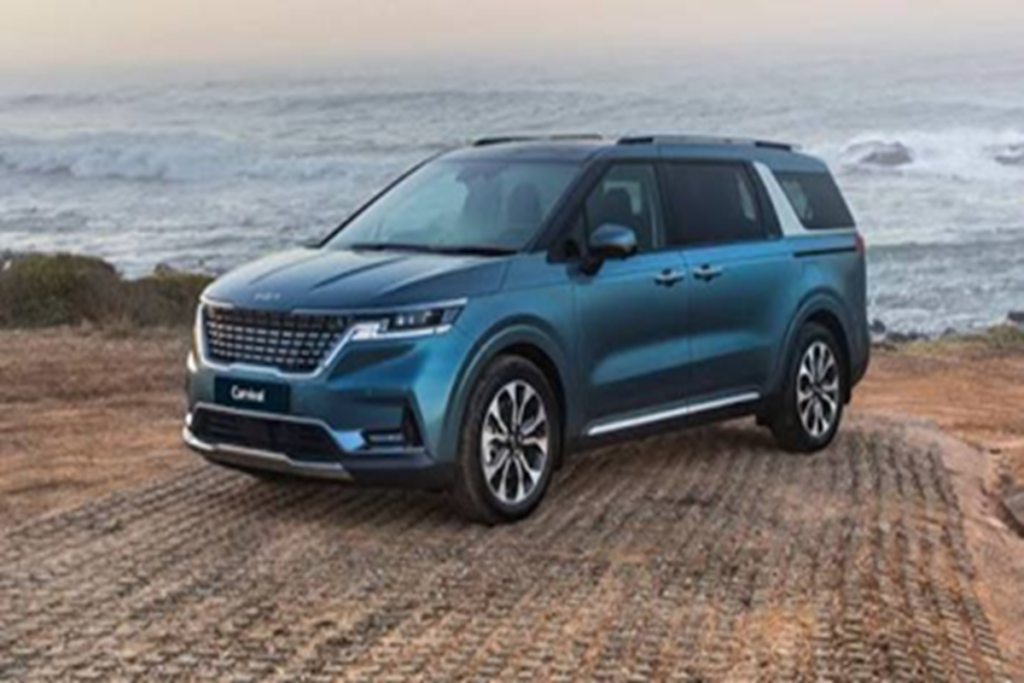
Modern models feature bold front profiles, distinctive lighting signatures, sculpted bodywork, and proportions that immediately stand out on the road. Rather than copying competitors, the design language has developed its own identity, making vehicles instantly recognisable even from a distance.
The transformation extends inside as well.
Clean dashboard layouts, large digital displays, thoughtfully positioned controls, and premium material choices create cabins that feel inviting instead of purely functional. The experience is designed around the people using the vehicle every day.
A Portfolio That Reflects Real Lifestyles
One reason the brand has connected with such a broad audience is its understanding that no two drivers have identical priorities.
A young professional navigating crowded city streets expects something different from a family planning long weekend getaways. Someone purchasing their first car has different concerns compared to a customer looking for a premium electric vehicle.
The range addresses these varying needs through hatchbacks, sedans, SUVs, MPVs, and electric vehicles, giving buyers the flexibility to choose according to their lifestyle rather than compromise because of limited options.
This diversity has played a major role in strengthening Kia cars‘ appeal across multiple customer segments.
SUVs That Connected With Modern Buyers
The growing popularity of SUVs has changed the way many people approach vehicle ownership. Buyers increasingly look for higher seating positions, spacious cabins, and confidence in handling both urban roads and longer journeys.
Models like the Sonet and Seltos have successfully responded to these expectations by combining compact dimensions with premium features and practical usability. They provide everyday convenience while maintaining a strong road presence.
For larger families, products such as the Carens bring together flexible seating arrangements, generous interior space, and comfort focused design that suits both daily commutes and extended travel.
Rather than following market demand, these products helped shape it by offering well balanced packages that appealed to a wide audience.
Technology That Feels Relevant
Technology can often become a checklist feature, impressive during a showroom visit but rarely used after purchase.
The more effective approach is to integrate features that genuinely simplify driving and ownership.
Large touchscreen infotainment systems, smartphone connectivity, digital instrument displays, wireless charging capabilities, and connected vehicle functions make daily interactions more convenient without overwhelming the user.
The emphasis remains on usability.
Drivers spend less time learning complicated systems and more time enjoying features that naturally fit into their routine.
Safety Became a Priority Instead of an Option
Consumer awareness around vehicle safety has grown significantly over the past decade.
Today’s buyers expect their vehicles to protect not only themselves but also everyone travelling with them. As a result, safety technologies have become central to purchasing decisions.
Across different models, features such as multiple airbags, electronic stability control, tyre pressure monitoring systems, hill assist functions, and advanced driver assistance technologies contribute to a more secure driving experience where available.
This commitment to safety has strengthened buyer confidence and reinforced the perception that value extends beyond visible features.
Entering the Electric Era With Confidence
Electric mobility is no longer viewed as a distant concept. It has become part of mainstream conversations among urban commuters, families, and technology enthusiasts alike.
The introduction of products such as the EV6 demonstrated that electric vehicles could combine performance, practicality, and premium design in a single package. Fast charging capability, impressive driving range, and futuristic interiors challenged many traditional assumptions about EV ownership.
The EV9 further showcased how electric technology could support larger vehicles without sacrificing comfort or sophistication.
Together, these products illustrate that innovation is most effective when it addresses real customer expectations rather than simply introducing new technology for its own sake.
Ownership Extends Beyond the Showroom
The relationship between a customer and a vehicle begins on delivery day but continues for years afterwards.
Routine servicing, maintenance support, warranty programmes, dealership interactions, and the availability of genuine parts all influence long term satisfaction.
Positive ownership experiences encourage repeat purchases and create word of mouth recommendations that no marketing campaign can easily replicate.
When customers consistently feel supported throughout their ownership journey, trust grows naturally.
Constant Improvement Rather Than Reinvention
Some brands rely on dramatic changes to stay relevant. Others evolve steadily by refining what already works.
The latter approach often creates stronger long term loyalty.
Every product update, feature enhancement, design revision, and technological improvement contributes to a portfolio that feels increasingly mature without losing its original strengths.
That commitment to continuous refinement has helped transform public opinion over time and has established Kia cars as a trusted choice for buyers seeking reliability, innovation, and everyday practicality.
The Journey Was Built on Consistency
Becoming a household name rarely happens because of a single successful advertisement or a single bestselling vehicle.
It happens when customers repeatedly experience products that meet or exceed expectations.
It happens when design evolves with changing tastes, when technology improves convenience instead of creating complexity, and when quality remains a priority across every segment.
The story behind Kia cars is a story of consistency. By focusing on what drivers genuinely value and delivering it across a diverse range of vehicles, the brand has steadily moved from being an emerging challenger to becoming a familiar presence on roads around the world.
That transformation is not defined by hype. It is defined by years of thoughtful product development, customer focused innovation, and an unwavering commitment to creating vehicles that fit seamlessly into everyday life.