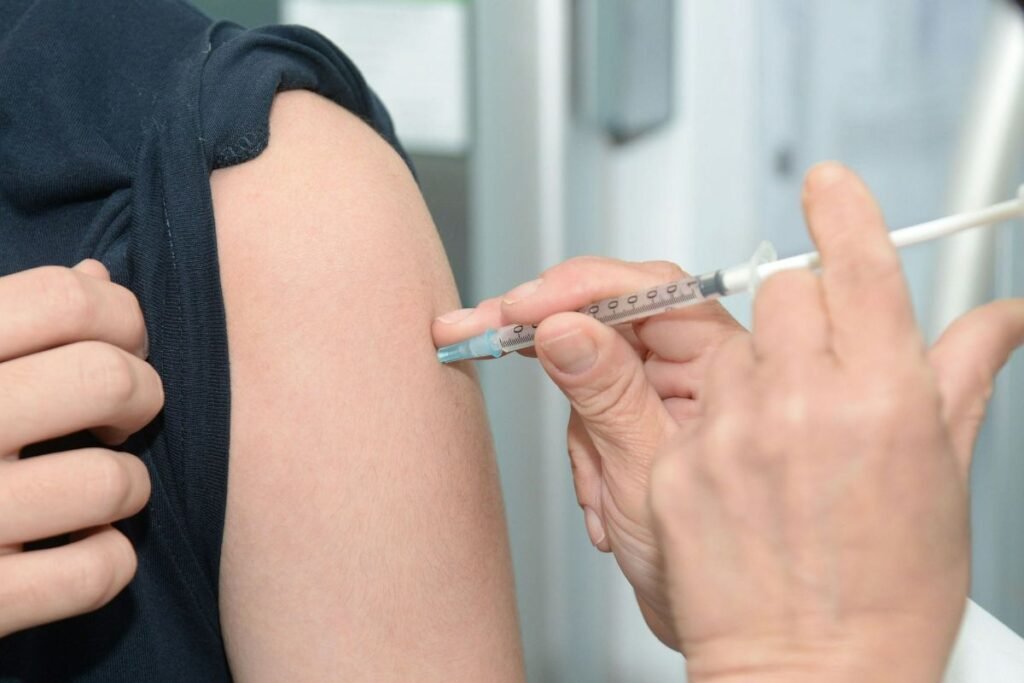
Schools play an important role in supporting children’s health beyond academics. Routine school health check-ups help identify concerns related to vision, nutrition, dental health and physical development. They also provide an opportunity to discuss preventive healthcare, including vaccinations that protect children and adolescents against certain infections and diseases.
Adolescence is a particularly important stage for preventive healthcare because some vaccines are most beneficial when administered before exposure to the infections they prevent. Human papillomavirus (HPV) vaccination is one such example. HPV is a common virus that can cause genital warts and several types of cancer, including cervical cancer. Vaccination during the recommended age range helps protect against the HPV types responsible for these conditions.
Adding the HPV vaccine to school health check-ups can help families access reliable information, identify vaccination needs, and connect eligible students with healthcare services. Successful implementation, however, requires coordination between schools, parents, healthcare professionals and public health authorities. Clear communication, informed consent and appropriate medical supervision must remain central to the process.
Why Should Adolescent Vaccination Be Included in School Health Check-ups?
School health check-ups offer a structured opportunity to assess students’ health needs and identify gaps in preventive care. Because students attend school regularly, these programmes can help families access health information without scheduling separate appointments for each preventive intervention.
Including vaccination reviews in routine assessments can offer several benefits.
- Improved awareness: Students and parents can learn about vaccine-preventable diseases, recommended vaccination ages and the importance of timely immunisation.
- Identify vaccination needs: Reviewing available immunisation records can help identify students who may need vaccination or further medical advice.
- Better access to healthcare: Schools can connect families with local health centres and authorised vaccination services, particularly where arranging individual appointments is difficult.
- Fewer missed opportunities: A structured review makes it easier to identify eligible students and inform their parents about the available options.
- More organised follow-up: Schools can help families track appointments, vaccination records, and any further doses recommended by healthcare professionals.
Vaccination should remain a voluntary, informed healthcare decision in accordance with applicable guidance and consent requirements. School health check-ups should facilitate access to care rather than pressure families into accepting an intervention.
How Can Schools Identify Adolescents Who Need Vaccination?
The first step is to establish a consistent process for reviewing students’ immunisation status. Schools can work with local health authorities, paediatricians, school nurses, and other authorised healthcare professionals to understand vaccination recommendations for different age groups.
During routine check-ups, designated personnel can review vaccination records supplied by parents, identify missing information and refer families for medical guidance where necessary. A standardised checklist can record the student’s age, available vaccination history, parental contact details and the status of any required consent.
For HPV vaccination, age and individual medical circumstances are important considerations. The World Health Organization identifies girls aged 9 to 14 years as the primary target group for HPV vaccination. In India, the national HPV vaccination programme, launched in February 2026, targets 14-year-old girls and offers vaccination free of charge at government health facilities, subject to the programme’s eligibility and consent requirements.
Schools can help eligible families understand the programme and locate participating facilities. They should not assume that every student qualifies for the same vaccination schedule or that incomplete records automatically indicate a need for another dose. Healthcare professionals should determine eligibility and advise on the appropriate schedule.
This process is particularly useful when students have received vaccines at different facilities or when parents cannot immediately locate earlier records. Schools can share information on where families can seek clarification without making unsupported medical decisions.
How Can Parents Be Involved in School Vaccination Initiatives?
Parental participation is essential when vaccination is introduced as part of a school health initiative. Parents need accurate information about the vaccine, the protection it offers, possible side effects, and how to arrange vaccination.
Schools can begin by distributing information leaflets, organising parent meetings or arranging question-and-answer sessions with qualified healthcare professionals. Information should be available in local languages where appropriate so that families can make informed decisions without struggling to understand medical terminology.
HPV vaccination may raise questions because some parents associate the virus exclusively with sexual activity. Healthcare professionals can explain that HPV is common, that certain types cause cancer and that vaccination is recommended during adolescence because protection is most effective when provided before exposure.
The consent process also requires careful attention. Parents should receive clear information about the proposed intervention and have sufficient time to consider it. Consent for a general health examination should not automatically be treated as consent for vaccination. Schools must follow the relevant legal, clinical and public health requirements.
To encourage informed participation, schools can:
- Explain the purpose and benefits of vaccination in straightforward language.
- Provide information about common side effects and when medical advice may be necessary.
- Allow parents to raise concerns privately with healthcare professionals.
- Clarify where vaccination will take place and whether any costs apply.
- Explain how health information will be recorded and protected.
- Provide details of authorised healthcare facilities for families who need further consultation.
Respectful communication helps build trust. Parents should be able to ask questions and make decisions without feeling judged or pressured.
How Can Schools Educate Adolescents About HPV Vaccination?
Health education should complement vaccination services. Students who understand the purpose of immunisation are better equipped to participate in health conversations and distinguish reliable medical information from misinformation.
Schools can introduce age-appropriate lessons through health education classes, assemblies and sessions conducted by qualified healthcare professionals. Younger students may benefit from simple explanations of how vaccines help the immune system recognise infections. Older adolescents can learn more about HPV transmission, persistent infection and the relationship between certain HPV types and cancer.
An effective session should explain what HPV is, how vaccination helps prevent selected HPV-related diseases and why the recommended vaccination age matters. Students should also understand that vaccines do not treat an existing infection and that vaccination does not remove the need for cervical cancer screening when recommended later in life.
The hpv vaccine for adolescents should be discussed factually and respectfully. Students should not be made to feel embarrassed about learning how an infection spreads or why preventive healthcare is important.
Teachers can support these discussions, but medical questions should be directed to qualified healthcare professionals. Providing reliable information in a non-judgemental setting helps students develop a healthier understanding of vaccination and personal well-being.
How Can Healthcare Professionals Maintain Vaccination Safety?
Vaccination requires trained personnel, appropriate facilities and adherence to established clinical protocols. Schools should coordinate with authorised healthcare providers rather than assume responsibility for medical procedures beyond their competence.
Before a vaccination session, the healthcare team should confirm eligibility, review relevant medical information, verify consent and ensure that the vaccine is stored and handled correctly. Vaccines must be stored at the temperature specified for the product.
If vaccination takes place at a school, the designated area should offer privacy and adequate space for administration and observation. Healthcare professionals should be prepared to manage fainting, allergic reactions and other medical concerns. Students should be observed for the period recommended by the healthcare team, and emergency assistance should be arranged beforehand.
Parents should also understand that mild, temporary effects, such as soreness at the injection site, a low-grade fever or a headache, may occur after HPV vaccination. Serious reactions are uncommon, but suspected adverse events require appropriate medical assessment and reporting under established procedures.
Accurate documentation is equally important. Records should capture the details required by the applicable immunisation programme, including the vaccine administered, date of administration and any information needed for subsequent doses or follow-up.
These precautions help school-based vaccination initiatives prioritise student safety while maintaining parents’ and the wider community’s confidence.
How Can Schools Track Vaccination Records and Follow-up?
A reliable record-keeping system helps schools and healthcare providers understand whether eligible students have received the recommended care. Depending on available resources, schools can maintain secure digital records or appropriately protected paper-based documents.
Records should distinguish between students identified as potentially eligible, those whose parents have consented, those who have received vaccination and those who require further information or referral. Limit access to personal health information to authorised personnel.
Follow-up is especially important for students who miss a scheduled session or whose parents need additional time to consult a healthcare professional. Schools can share information about authorised facilities and explain how families can verify vaccination history.
The number of doses required depends on the vaccine, applicable national recommendations, age and individual medical circumstances. Schools should therefore avoid issuing blanket instructions about dose numbers or intervals. Healthcare professionals should provide the appropriate schedule and explain whether additional doses are necessary.
Periodic programme reviews can also help schools assess how effectively their initiatives are working. Useful measures include the number of students whose records were reviewed, parental participation, referrals completed and common barriers to accessing vaccination. These findings can guide improvements in communication and coordination.
What Challenges Can Schools Face When Integrating Vaccination?
Several practical issues can affect the implementation of school vaccination initiatives.
Limited awareness among parents: Some families may not know why HPV vaccination is recommended during adolescence. Information sessions and access to qualified healthcare professionals can address knowledge gaps.
Vaccine safety concerns: Parents may encounter conflicting claims online. Schools can help by directing families to credible medical guidance rather than dismissing their concerns.
Incomplete vaccination records: Lost cards or vaccinations received at different facilities can make it difficult to establish a student’s status. Encourage families to consult their healthcare providers.
Unequal access to healthcare: Students in remote or underserved areas may struggle to reach vaccination facilities. Coordination with public health authorities can help improve access where resources permit.
Administrative limitations: Schools may lack dedicated nursing staff, suitable facilities or secure record systems. Partnerships with local health centres can help establish the necessary arrangements.
Privacy and consent: Families need confidence that their decisions will be respected and their medical information protected. Clear procedures and staff training are essential.
Addressing these challenges requires cooperation between school administrators, parents, healthcare professionals and public health authorities. Each group has a distinct role in making vaccination information accessible and ensuring that eligible students can obtain appropriate care.
How Can Schools Make Vaccination Part of a Comprehensive Health Programme?
Vaccination should be integrated into a broader preventive healthcare framework rather than treated as an isolated activity. Schools can include immunisation record reviews, health education and referrals within existing check-up programmes while coordinating with local healthcare facilities for vaccination services.
This approach helps families receive consistent information and reduces the likelihood that vaccination needs will be overlooked. It also provides opportunities to discuss other aspects of adolescent health, including nutrition, physical activity, mental well-being and routine medical care.
Schools should ensure that information is accessible to families from different backgrounds and that students are treated respectfully regardless of their vaccination status. Programme planning should reflect current national recommendations, available resources and the needs of the school community.
The aim is to create a dependable link between school health assessments and professional healthcare services. Clear responsibilities, accurate records and regular communication can make this arrangement practical and sustainable.
Conclusion
Incorporating adolescent vaccination into school health check-ups can help identify vaccination needs, improve awareness and connect families with appropriate healthcare services. Schools can support this process by reviewing immunisation records, educating students, communicating with parents and coordinating with qualified healthcare professionals.
The HPV vaccine for adolescents is important because timely vaccination can help protect against certain HPV-related cancers and diseases. However, effective implementation depends on informed parental consent, appropriate medical supervision, reliable record-keeping and access to authorised vaccination services.
When schools and healthcare providers work together, routine health check-ups can become a valuable opportunity to strengthen preventive healthcare and help adolescents and their families make informed decisions about vaccination.