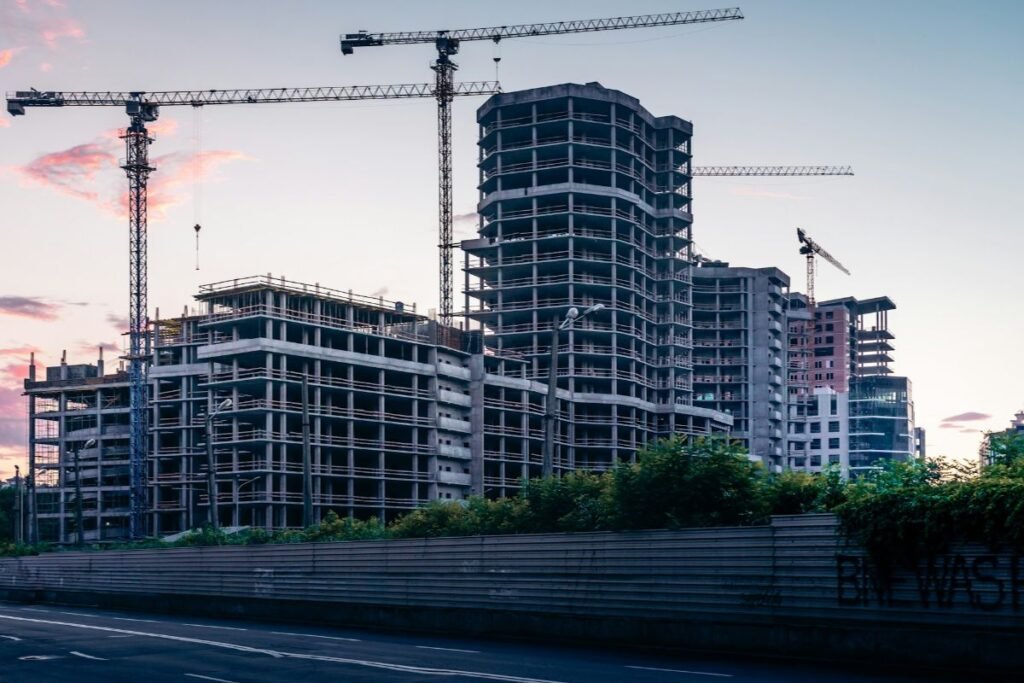
When people admire a striking building, they often notice its shape, colour, or overall design. What usually goes unnoticed is the material that enables those visual elements and protects the structure from everyday wear and tear. In modern architecture, selecting the right material is no longer just about appearance. It is equally about longevity, performance, and maintenance.
This is where aluminium panels have earned a strong reputation. They offer a combination of aesthetics and durability that allows architects, builders, and property owners to achieve both practical and visual goals without compromise. The growing preference for these panels across residential, commercial, and institutional projects reflects how one material can contribute to both structural resilience and architectural appeal.
The Challenge of Balancing Form and Function
Every construction project involves trade offs. Some materials look attractive but require constant maintenance. Others may be extremely durable but lack design flexibility. Finding a solution that performs well in both areas is often difficult.
Modern buildings are exposed to changing weather conditions, pollution, moisture, dust, and temperature fluctuations throughout the year. At the same time, clients expect exteriors that create a lasting visual impression. The ideal material should therefore resist environmental stress while maintaining its finish and supporting creative design concepts.
This balance between beauty and durability has made aluminium based architectural products an increasingly popular choice.
Strength That Supports Long Term Performance
One of the biggest advantages of aluminium lies in its natural resistance to corrosion. Unlike many conventional materials that may deteriorate when exposed to moisture or environmental pollutants, aluminium forms a protective oxide layer that helps preserve its integrity.
For exterior cladding applications, this translates into surfaces that continue to perform effectively under challenging conditions. The lightweight nature of aluminium also reduces structural load without compromising strength, making installation more manageable while supporting efficient construction practices.
When properly manufactured and installed, aluminium based façade systems require relatively low maintenance compared to many traditional alternatives. Cleaning routines are straightforward, helping buildings retain a fresh appearance with less effort over time.
Creating Architectural Freedom
Beyond performance, design flexibility is another reason architects increasingly rely on aluminium solutions.
Buildings today are expected to express identity. Corporate offices seek a modern image, educational institutions aim for welcoming campuses, and commercial developments often want memorable façades that distinguish them from surrounding structures.
Aluminium can be fabricated into different shapes, finishes, textures, and colours, allowing designers to experiment with distinctive concepts without sacrificing practicality. Curved surfaces, geometric patterns, metallic finishes, wood inspired aesthetics, and customised façades become achievable through carefully engineered systems.
This versatility enables architects to transform simple structures into visually engaging spaces while maintaining consistency across large exterior surfaces.
The Role of Aluminium Panels in Contemporary Construction
The popularity of aluminium panels spans multiple sectors because they address multiple project requirements simultaneously.
For commercial developments, they help create sleek and professional exteriors that align with modern branding objectives.
In residential projects, they contribute to elegant façades while reducing concerns about extensive upkeep.
Hospitals, airports, educational institutions, and public infrastructure projects also benefit from materials that combine appearance with dependable performance.
Their adaptability allows designers to create buildings that appear sophisticated without relying solely on expensive natural materials or labour intensive finishes.
Durability Goes Beyond Structural Strength
When discussing durability, people often think only about physical toughness. However, true durability includes the ability to preserve visual quality over time.
A building that fades quickly or develops uneven surfaces can lose much of its original appeal even if the underlying structure remains intact.
Quality aluminium façade systems are engineered with finishes that help maintain colour consistency and surface appearance under normal environmental exposure. This contributes to a cleaner and more refined exterior for longer periods, reducing the need for frequent refurbishment.
The result is not simply a building that lasts but one that continues to present itself well throughout its lifecycle.
Supporting Sustainable Construction Practices
Material efficiency has become an important consideration in architecture and construction. Aluminium offers advantages because it is recyclable without losing many of its inherent properties.
Its low weight can also simplify transportation and installation compared to heavier construction materials, contributing to efficient project execution.
For developers seeking practical solutions that align with responsible material use, aluminium is a versatile option that can meet multiple design and performance objectives within a single system.
Innovation Makes the Difference
While aluminium itself possesses many valuable characteristics, the quality of the final product depends significantly on manufacturing standards and technological expertise.
Careful engineering, advanced coating systems, precision fabrication, and rigorous quality control all contribute to reliable performance in real world applications.
This is why selecting an established manufacturer becomes as important as selecting the material itself. Consistent production processes help ensure that panels meet demanding architectural specifications while delivering dependable results across diverse environments.
Aludecor’s Contribution to Modern Façade Solutions
Among India’s recognised names in architectural cladding, Aludecor has built its reputation by combining manufacturing expertise with innovation in aluminium composite panel technology.
The company offers an extensive portfolio of façade solutions designed to support creative architectural expression while maintaining high standards of quality and performance. Its wide range of finishes, textures, and colours gives architects the flexibility to achieve unique visual concepts suited to different project requirements.
Aludecor also emphasizes advanced manufacturing processes and quality assurance, helping deliver products that meet the expectations of contemporary construction projects where appearance and durability are equally important.
For designers looking to create memorable exteriors without compromising reliability, such integrated product development plays a significant role.
A Material That Serves Multiple Purposes
Construction materials are often judged on individual strengths such as cost, appearance, or longevity. Aluminium stands out because it contributes across several categories at once.
It supports modern design ambitions through versatile finishes and fabrication possibilities.
It offers durability through corrosion resistance and dependable structural characteristics.
It reduces maintenance requirements while helping buildings retain their intended visual identity.
It also provides practical advantages through its lightweight nature and recyclability.
When these qualities come together, architects and developers gain greater freedom to deliver buildings that satisfy both functional expectations and aesthetic aspirations.
Conclusion
The search for materials that combine beauty with durability has shaped modern architecture for decades. Aluminium has emerged as one of the few options capable of addressing both priorities effectively.
From eye catching commercial façades to elegant residential exteriors, thoughtfully engineered aluminium panels demonstrate how a single material can influence performance as much as appearance. Their ability to balance strength, design flexibility, low maintenance, and visual sophistication explains why they continue to play an important role in contemporary construction.
For projects where lasting impressions matter just as much as lasting performance, carefully manufactured aluminium façade solutions offer a compelling answer that supports both architectural creativity and practical building requirements.