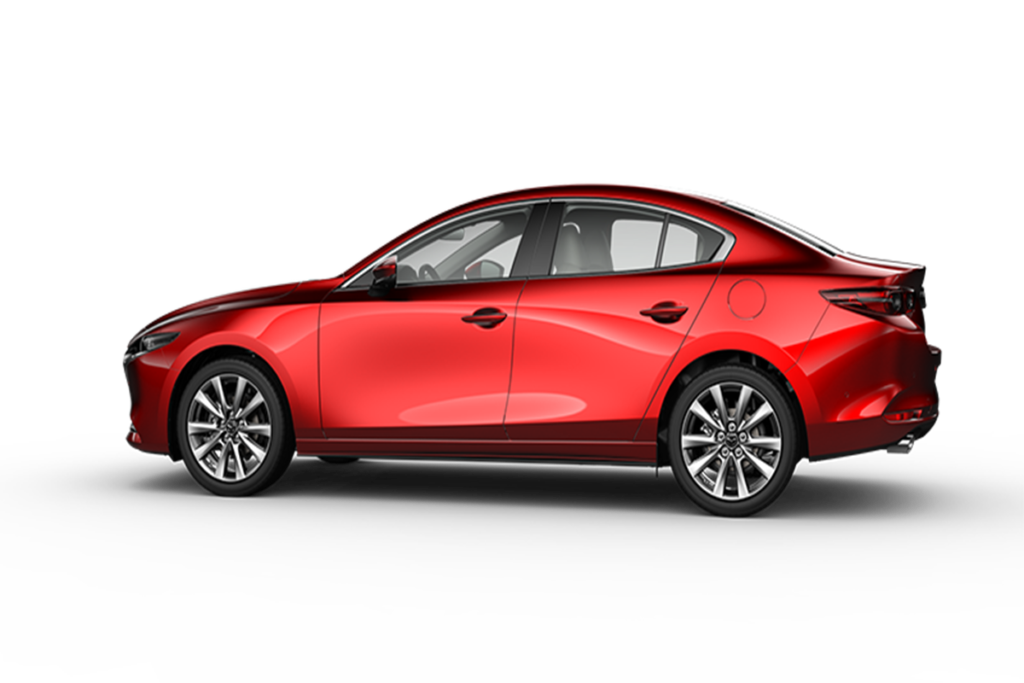
Walk through any busy road in Abu Dhabi, Dubai or Sharjah and you will see plenty of SUVs. Their larger dimensions and higher seating position have made them popular with families and drivers who want extra space. Yet, look a little closer and you will still find plenty of sedans handling the daily commute.
There is a good reason for that.
For many UAE drivers, a sedan provides enough cabin space, a useful boot, comfortable highway manners and the technology needed for modern driving without adding unnecessary size. If your routine mostly involves commuting, school runs, shopping, city driving and inter-emirate travel, a sedan can be a very sensible choice.
If you are planning to buy car in Abu Dhabi, it is therefore worth looking beyond the current popularity of larger vehicles and considering what you need from your car.
How Do Sedans Fit Into Everyday UAE Driving?
The typical UAE commute is mostly made up of paved roads, motorways and urban streets. Drivers spend considerable time moving through traffic, changing lanes, entering car parks and travelling between residential, commercial and business areas.
This type of driving does not necessarily require a large vehicle.
A sedan’s proportions can make it easy to place on the road and manoeuvre in tighter spaces. Parking can also be less intimidating when the vehicle has a more conventional footprint. This can be particularly useful in busy shopping centres, office car parks and residential areas where space is limited.
The lower body also gives a sedan a planted feel on the road. For drivers who spend a lot of time on motorways, this can contribute to a composed driving experience.
These practical qualities help explain why sedan cars in UAE remain relevant despite the growing number of SUVs on the road.
Why Are Sedans Comfortable on UAE Highways?
The UAE’s extensive motorway network means that highway driving forms a major part of many people’s routines. A car that feels comfortable at higher speeds can make a noticeable difference to the daily journey.
Sedans have a lower centre of gravity than taller vehicles. This can contribute to stable handling and controlled movement when changing lanes or taking bends. A properly tuned suspension system can further improve the ride by helping absorb imperfections in the road surface.
A good sedan should also provide a comfortable driving position. Adjustable seats and steering, supportive cushioning and sensible control placement become increasingly important when you spend an hour or more behind the wheel every day.
Some modern sedans also use independent suspension systems and carefully calibrated steering to provide a more controlled driving experience. These features aren’t just for performance enthusiasts. They can make ordinary commuting feel smoother and more predictable.
Can a Sedan Handle the UAE Climate?
The UAE climate puts particular demands on a vehicle, especially during the hotter months.
Air conditioning is one of the most important features to assess when choosing a daily-use car. A good climate control system should cool the cabin efficiently and distribute air evenly between occupants.
It is also worth paying attention to the interior materials. Seats should remain comfortable on longer journeys, while the dashboard and controls should be easy to use without distracting you from the road.
Practical details matter too. Test how quickly the cabin cools after the car has been parked outdoors. Check whether rear passengers receive sufficient airflow and whether the controls are intuitive.
When you buy car in Abu Dhabi, these details can matter more to your everyday experience than a long list of cosmetic features.
Does Sedan Design Help With Fuel Efficiency?
Fuel consumption is another reason many people continue to consider sedans.
A conventional sedan tends to be lower and lighter than a similarly sized SUV. Its shape can also produce less aerodynamic resistance. Depending on the engine and transmission, these characteristics can contribute to efficient fuel use.
This does not mean every sedan will automatically consume less fuel than every SUV. Engine capacity, traffic, driving habits, tyre pressure, air conditioning use and vehicle weight all have an effect.
For someone travelling long distances every day, however, even modest differences in fuel consumption can become meaningful over time.
When comparing sedan cars in UAE, look at the official fuel economy figures and consider them alongside your actual driving pattern. A car that performs well in stop-start city traffic may have different consumption characteristics from one used mainly for motorway journeys.
Are Modern Sedans Equipped With Enough Technology?
The traditional image of a sedan as a basic family car no longer reflects what is available today.
Modern models can include integrated infotainment systems, smartphone connectivity, digital displays, navigation, voice controls and other convenience features. Driver assistance technology is also becoming an important part of the sedan experience.
Features such as blind-spot monitoring, lane departure warnings, adaptive cruise control, parking sensors and emergency braking assistance can be useful during everyday driving.
However, buyers should not assume that every sedan comes with the same equipment. Features can vary between versions, so it is important to check the specifications of the exact variant being considered.
Technology should also be judged on usability. A complicated screen filled with functions is not necessarily better than a straightforward system with controls that are easy to understand while driving.
How Important Is Safety When Choosing a Sedan?
Safety should be near the top of the checklist when choosing any car.
Modern sedans can offer a combination of passive and active safety equipment. Airbags, electronic stability systems, traction control, reversing cameras and parking sensors are among the features buyers may encounter, while higher specifications can add more advanced driver assistance systems.
The value of these features becomes apparent during ordinary situations. A blind-spot warning can help when changing lanes on a busy road. A reversing camera can make parking easier. Emergency braking technology can provide additional assistance if the system detects a potential collision.
The important point is to understand what each system actually does. Driver assistance features are designed to support the driver, not replace attention and proper control.
Before making a purchase, check the safety equipment included with the specific trim rather than relying on the model name alone.
Is a Sedan Practical for Families?
For a small or medium-sized family, a sedan can provide plenty of usable space.
Four doors make access straightforward, while the separate boot provides dedicated room for groceries, luggage, shopping bags and everyday belongings. Keeping luggage outside the passenger compartment can also leave the cabin feeling less cluttered.
Rear-seat comfort deserves a proper inspection. If children or adults regularly sit in the back, check legroom, headroom, seat width and access. Families using child seats should also check how easily they can be installed.
Test the boot as well. Look at the opening and loading height rather than judging it solely by its stated capacity. A boot that accommodates your regular shopping and luggage needs is far more useful than one that looks large on paper.
For larger families or drivers who regularly transport bulky items, an SUV may still make more sense. But you shouldn’t dismiss a sedan simply because it doesn’t have a tall body.
Why Does Handling Matter for Daily Driving?
Driving enjoyment is not only about acceleration or engine power.
A car that responds predictably to steering inputs, brakes smoothly and remains composed through corners can make everyday journeys less tiring. This is especially relevant on UAE highways, where drivers regularly need to change lanes and maintain consistent speeds.
A well-tuned suspension system can help balance comfort with road control. Precise steering can make parking and manoeuvring easier, while a responsive transmission can make acceleration in busy traffic feel smoother.
These qualities are worth assessing during a test drive rather than judging them from specifications alone.
Drive through normal city traffic if possible. Try parking the car. Take it onto a faster road. Pay attention to visibility, braking, steering, suspension and seating comfort.
The car should feel natural to you.
What Should You Consider Before You Buy a Sedan?
Your daily routine should determine the car you choose.
Start by considering how many kilometres you drive and where most of those kilometres happen. If your routine consists mainly of city roads and motorways, a sedan may suit you particularly well.
Think about passenger requirements too. A couple or small family may find the available cabin space more than adequate, while larger households may need additional seating or cargo flexibility.
Then consider ownership requirements. Check the recommended service intervals, warranty terms, tyre specifications, insurance costs and availability of authorised servicing. These details affect the ownership experience long after the initial purchase.
A test drive should be part of the decision. Check visibility from the driver’s seat, seat adjustment, infotainment controls, air conditioning, rear-seat comfort and boot access.
Don’t overlook simple things like getting in and out of the car or fitting your usual shopping bags into the boot. A vehicle can look impressive in a showroom yet feel less suitable once you start using it every day.
Why Do Sedans Remain a Sensible Choice?
The popularity of SUVs has not made sedans impractical. In many cases, their traditional strengths are exactly what an everyday UAE driver needs.
They are easy to manoeuvre, comfortable on highways, practical for small families and capable of carrying everyday luggage without taking up excessive road or parking space. Modern versions can also offer sophisticated safety, connectivity, and driver-assistance technology.
For drivers who don’t need extra ground clearance, a third row, or substantial cargo capacity, choosing a sedan can be about matching the vehicle to the job rather than following a trend.
If you are looking to buy car in Abu Dhabi, take the time to compare different body styles based on your actual routine. Consider your commute, family requirements, parking situation, highway usage and ownership expectations.
For many drivers, sedans continue to offer a straightforward combination of comfort, practicality, technology, and road manners. Sometimes, the most sensible choice is simply the vehicle that does what you need without giving you more size than you require.