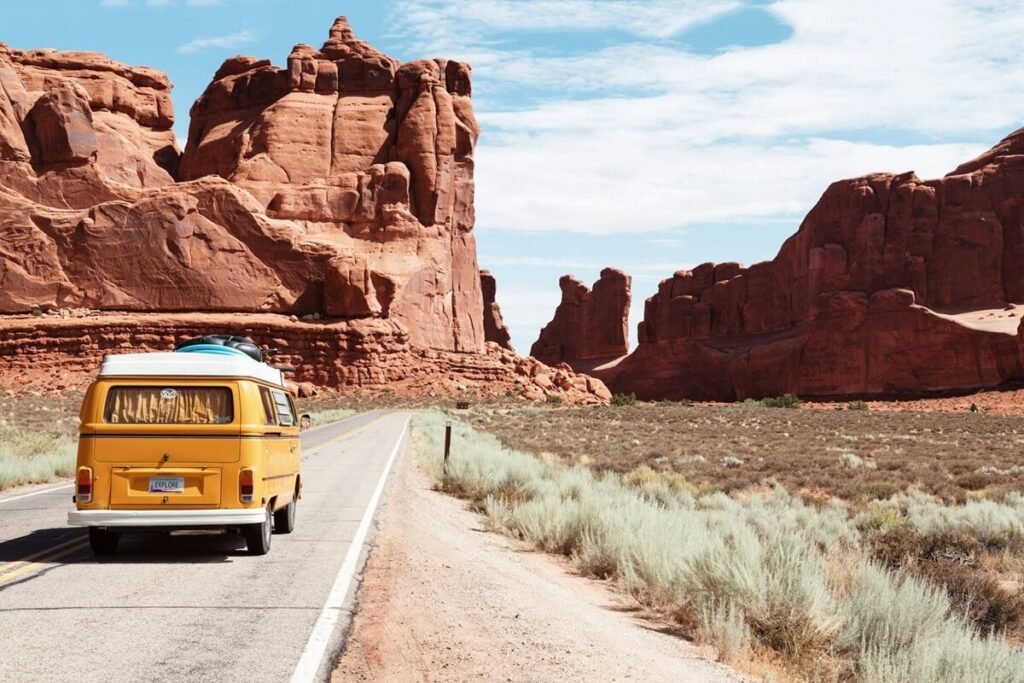
Within the fast travel vs. slow travel debate, slow travel encourages travelers to focus on the quality of their travel experiences instead of the quantity. While fast travel encourages travelers to see as many destinations as possible within a certain time frame, slow travel encourages travelers to focus on the experience of travel itself, often spending weeks at a single destination.
Extended stays at a single destination enable travelers to form deeper connections to the cultures they live around. Slower types of travel can offer a number of benefits, including:
- Decreased travel-related stress
- Greater appreciation of the culture
- Improved understanding of the customs and uniqueness of the traveled regions
- Deeper connections, both relational and spatial, to the locations traveled
All of these elements are vital contributors to a traveler’s overall fulfillment, happiness, and satisfaction with their experience at their destination.
Philosophy of Slow Travel
One of the primary ways of advocating for slow travel is encouraging travelers to shift their focus from the number of places they visit to the number of days they stay in a place. The slow travel philosophy operates from the idea that the best way to engage with a destination and its inhabitants is to remain long enough to understand the everyday routine and the flow of life in the destination.
This travel ethos aims to minimize the need for long and costly inter-destination travel and encourages travelers to foster deeper connections with the residents of the destinations.
Activities That Enhance Local Engagement
Travelers who immerse themselves in their chosen destinations for an extended period will experience opportunities for local engagement and will be able to choose how they spend their time. For instance, the range of activities available includes:
- Participation in local festivities, musical performances, and similar events
- Participating in classes or workshops run by community members
- Committing time to a volunteer cause in the community you are visiting
- Discovering the local area and engaging in local economic activities (e.g., local businesses)
By prioritizing spending time in a smaller number of locations, travelers can take advantage of these opportunities in ways that are not possible when traveling fast.
Economic Benefits of Slow Travel
Another benefit of slow travel and spending time in fewer locations is the positive impact it has on local economies. Many conscious travelers prioritize:
- Using local businesses and services
- Buying local goods
- Choosing local accommodations
When travelers engage in these activities, they provide direct economic benefits to the local community, create job opportunities, and boost economic activity.
Travelers who simply pass through also contribute economically, but the impact is significantly lower compared to those who engage deeply with local systems. This deeper engagement also results in a richer cultural experience.
Sustainability and Environmental Impact
When travelers spend money on local businesses, they contribute to sustainability. Sustainable tourism focuses on the needs of the environment and local economies.
Travelers’ choices can have both positive and negative impacts. When they choose slow travel and prioritize local services and accommodations, they positively influence:
- The local economy
- Environmental sustainability
The popularity of slow travel has also grown due to concerns about environmental impact.
- Air travel contributes significantly to carbon emissions
- Slow travelers tend to reduce the number of flights they take
- Fewer flights lead to a lower carbon footprint
Environmental Considerations
While reducing travel speed helps, some environmental impact is unavoidable. There will always be a need for air travel to reach certain destinations.
Because of this, slow travelers should:
- Seek additional ways to reduce their carbon footprint
- Make conscious travel decisions beyond just reducing flights
- Continue supporting sustainable and eco-friendly practices