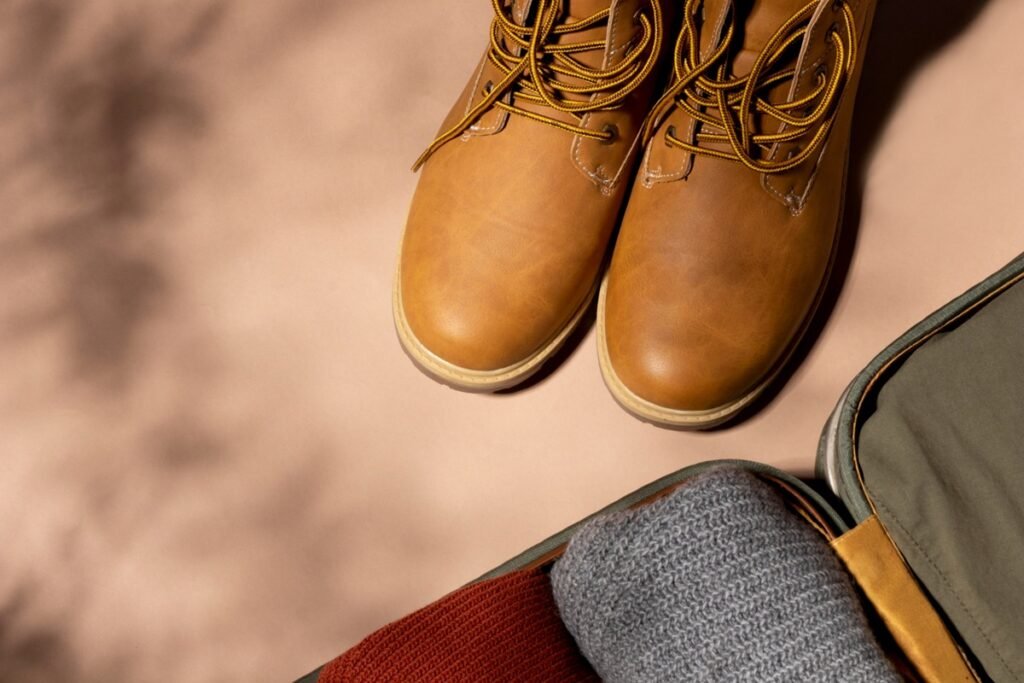
An outfit can look completely different after changing nothing but the shoes. The trousers are the same. The top is the same. Even the handbag may be the same. Yet one pair of shoes can make the outfit feel polished, another can make it look relaxed, and another can give it a completely different personality.
It has little to do with the shoes’ colour. Often, it comes down to their silhouette.
The shape of footwear affects how the eye reads the bottom half of an outfit. A narrow toe can continue a long, clean line. A rounded toe can make the look feel softer. A substantial sole can anchor generous layers, while a barely-there sandal can keep a flowing outfit feeling light.
This is worth knowing when shopping for shoes for women because the most useful wardrobe is not necessarily the one with the largest number of pairs. It is the one where each silhouette does something different.
Why Can the Same Clothes Look Different With Different Shoes?
Think about a pair of straight-leg jeans and a tucked-in shirt. Wear them with trainers and the outfit immediately feels casual. Put on loafers and the same combination looks more considered. Add pointed flats and it becomes a little more refined.
The clothing hasn’t changed. The footwear has changed the visual direction.
Shoes sit at the end of the body’s natural line, which means their shape can affect how the rest of the outfit is perceived. This becomes even more obvious with trousers, skirts and dresses where the footwear is clearly visible.
It is also why a shoe that looks beautiful on its own may not work with a particular outfit. The issue may not be the shoe. It may simply be a mismatch in shape or visual weight.
What Happens When You Pair Soft Clothes With Sharp Shoes?
Soft fabrics and relaxed silhouettes tend to have movement. Think of a loose midi dress, a fluid skirt or wide-leg trousers made from lightweight fabric.
Now add a pointed shoe.
The sharper toe introduces definition at the bottom of the outfit. It stops the softness from becoming visually overwhelming and gives the clothing a cleaner finish.
This does not mean the entire outfit suddenly becomes formal. A pointed flat with jeans and a simple top can remain perfectly suitable for everyday wear. What changes is the sense of neatness.
The same principle works in reverse. A very structured outfit can sometimes benefit from a softer shoe to take the edge off it.
Why Do Rounded-Toe Shoes Feel More Relaxed?
Rounded silhouettes don’t extend the foot visually the way pointed shoes do. That makes them feel softer and less severe.
This quality works particularly well with clothing that already has a gentle shape. A midi skirt, cropped trousers, relaxed knitwear or a simple cotton dress can all sit comfortably with rounded flats.
Their simplicity is also useful. Rounded shoes do not necessarily compete with the rest of the outfit. They can sit quietly underneath a patterned dress or an outfit with noticeable accessories.
For everyday dressing, this can be a valuable quality. Not every outfit needs a shoe that demands attention.
How Do Flat Sandals Change a Dress?
A dress can look very different depending on what happens around the feet.
Take a loose summer dress. Pair it with a slim flat sandal and the outfit retains its airy quality. The exposed foot and minimal design keep the look light, letting the dress stay the focus rather than making the footwear compete.
Ladies’ flat sandals work especially well with this kind of dressing. They pair comfortably with maxi dresses, midi skirts, cropped trousers, and relaxed tailoring, especially when the aim is to keep the outfit easy and understated.
But not every sandal creates the same result. A pair with wider straps or a heavier sole can add presence, while a barely-there design keeps it delicate.
A sandal with wider straps or a more substantial sole has greater visual presence. It can make a delicate dress feel more grounded. A very simple strappy design does the opposite, keeping the entire outfit light.
The difference may be subtle when looking at the shoes alone. Once worn with clothing, the difference becomes much easier to see.
What Does a Loafer Add to an Outfit?
A loafer has a naturally structured appearance. Even a simple pair can give soft clothing some definition.
Consider wide-leg trousers with a loose shirt. Both pieces have plenty of volume. A structured loafer gives the lower part of the outfit enough presence to balance that volume.
The same works with skirts and dresses.
A feminine dress paired with a loafer has a different character from the same dress worn with a delicate sandal. The contrast between the structured shoe and softer clothing can make the outfit look more contemporary without adding anything complicated.
Loafers are also useful when you want to make casual clothes look deliberate. Jeans and a basic shirt can seem more polished simply because the footwear has a stronger silhouette.
When Does a Chunkier Shoe Work Better?
There is a point where a delicate shoe can become visually lost.
This tends to happen with oversized clothing, wide trousers or long layers. When there is a lot of fabric above the foot, a tiny shoe can look disconnected from the rest of the outfit.
A chunkier silhouette can solve that problem.
A substantial sole creates a stronger base and gives the outfit somewhere to settle. It can also make loose clothing look intentional rather than accidental.
The contrast can be especially effective with dresses. A flowing dress paired with a heavier shoe feels different from the traditional combination of dress and delicate footwear. The result can be casual, confident and slightly more modern.
The key is not to make every element oversized. If the footwear is substantial, keeping one or two other elements simple can prevent the outfit from becoming visually crowded.
Why Do Mules Make an Outfit Look Less Formal?
Mules have an open-back construction that immediately changes the way they sit within an outfit.
With trousers, the exposed heel creates a small amount of visual space around the ankle. This can make a structured outfit feel less rigid.
A flat mule with cropped trousers is a good example. The trousers may have a tailored shape, but the open shoe keeps the combination from looking too formal.
Mules can also work with dresses when you want something more polished than a casual sandal without moving all the way towards a traditional formal shoe.
Their appeal often lies in that middle ground.
Can a Heel Change the Look Without Making It Dressy?
Heels are usually associated with formal dressing, but height alone doesn’t determine how formal a shoe looks.
A low heel with a simple silhouette can be surprisingly versatile. It can add a little lift to cropped trousers or a midi skirt without making the outfit look like occasion wear.
A higher heel creates a greater visual change. It alters the posture and can make the entire outfit appear more elongated.
The toe shape still matters. A pointed heel tends to create a sleek line, while a rounded or square toe can make the same heel height look softer or more contemporary.
This is why choosing footwear by heel height alone can be limiting. Two shoes with similar heels can produce entirely different results.
How Does Shoe Shape Affect Wide-Leg Trousers?
Wide-leg trousers are one of the clearest examples of why footwear silhouette matters.
Because the trouser leg already has considerable volume, the shoe needs to feel like it belongs beneath it. A delicate flat can work when the trousers are cropped or made from lightweight fabric. With longer, heavier trousers, a shoe with more substance can often create better visual balance.
The toe is important too.
A pointed shoe can peek out beneath the hem and create a narrow line. A rounded or chunkier shoe creates a softer, stronger base.
There is no universal rule because fabric, trouser length and personal styling all make a difference. The useful question is: does the shoe look intentionally placed beneath the trouser width?
What About Cropped Trousers?
Cropped trousers draw more attention to footwear because the ankle and much of the shoe remain visible.
This makes them a good canvas for interesting silhouettes.
A pointed flat can create a clean, elongated line. A rounded ballet-style shoe feels softer. A loafer adds structure, while ladies’ flat sandals can make the same trousers feel more relaxed.
The shorter hem also makes the transition between trouser and shoe more important. A shoe that blends neatly with the outfit can make the look feel streamlined, while a contrasting silhouette can deliberately draw attention downward.
Why Do Shoes Matter So Much With Dresses?
Dresses can hide many styling decisions because they form one continuous piece of clothing. Shoes break that line.
That means the footwear can determine where the visual emphasis ends.
A delicate sandal allows the dress to remain the star. A loafer introduces structure. A substantial shoe creates contrast. A pointed flat adds a sharper finish.
This gives you more mileage from a single dress.
Instead of assuming a dress has one fixed style, think of it as a starting point. The shoe can take it towards relaxed daytime dressing, smart casual wear or a more polished look.
How Can You Use Shoe Silhouettes to Refresh Your Wardrobe?
Before deciding that an outfit needs new clothes, try changing the shoes.
Take your favourite jeans and wear them with three distinctly different silhouettes. Then do the same with a skirt and a dress. You may find that the clothes you thought were repetitive actually have more possibilities than you realised.
This approach also works for footwear. Rather than choosing several pairs that create almost the same visual effect, look for shapes that fill different gaps in your wardrobe.
One pair might be slim and understated. Another could provide structure. A sandal could handle relaxed outfits, while a pointed flat could give simple clothes a sharper finish.
That is a much more practical way to think about shoes for women.
Conclusion
No shoe silhouette is universally perfect. A pointed flat isn’t automatically better than a rounded one, and a chunky sole isn’t inherently more stylish than a delicate sandal.
What matters is the relationship between the shoe and everything above it.
Look at the amount of fabric, the shape of the trousers or skirt, the structure of the top and the overall mood you want. Then consider whether your footwear supports that direction or deliberately provides contrast.
Sometimes, the smallest change creates the biggest difference. A different toe shape, a heavier sole or an open heel can completely alter the way familiar clothes look.
So when an outfit feels almost right but not quite there, do not immediately reach for another jacket or accessory. Look at your shoes first. The answer may be sitting right at the bottom of the outfit.