Walk into any appliance store or browse online kitchen gadgets, and you’ll probably notice one thing immediately. The terms blender, blender mixer, and mixer and blender are often used interchangeably. For many buyers, that creates confusion. Are they the same appliance? Does one perform better than the other? And more importantly, which one actually belongs in your kitchen?
The truth is that while these appliances may look similar, they are designed for different purposes. Understanding the distinction can save you money, kitchen space, and frustration later.
If you’ve ever wondered whether you should buy a standalone blender or invest in a mixer and blender combination, this guide breaks it down in simple terms.
What Is a Blender?
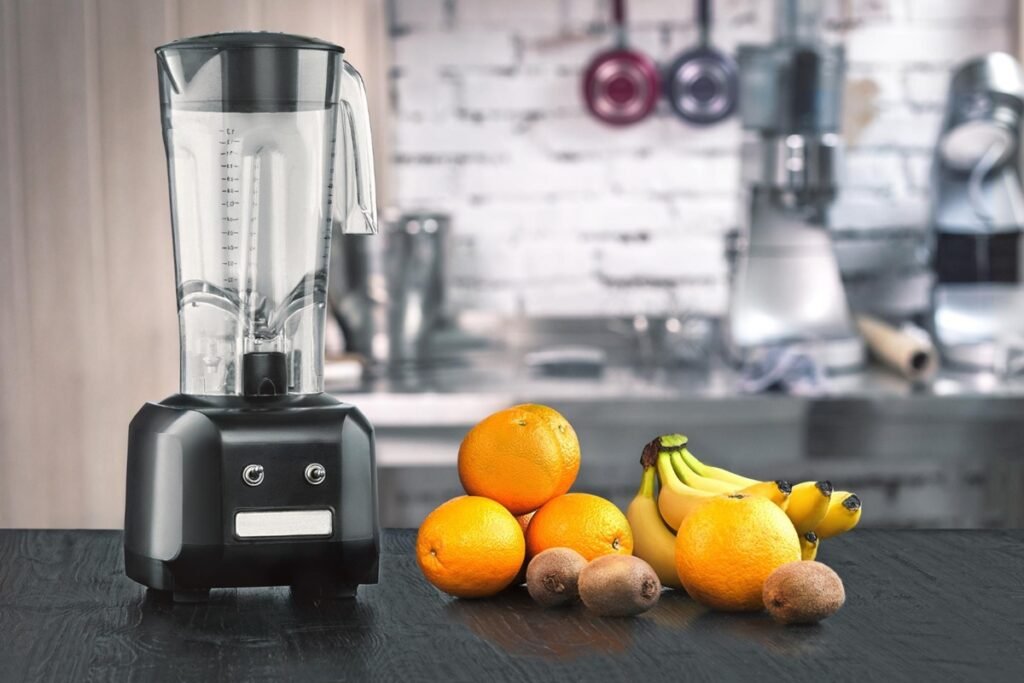
A blender is primarily designed for liquid-based tasks. It uses fast-spinning blades to crush, blend, puree, and liquefy ingredients. Most people use it for smoothies, milkshakes, soups, sauces, and juices.
The typical blender comes with a tall jar and sharp blades at the bottom. Once the motor runs, the ingredients circulate rapidly, creating a smooth consistency.
In Indian kitchens, a blender is especially useful for:
- Making fruit smoothies
- Preparing lassi and shakes
- Blending soups
- Pureeing tomatoes and onions
- Creating chutneys with a softer texture
One major advantage is speed. A blender can turn fruits and liquids into a smooth drink in seconds.
However, it does have limitations. Thick batters, dry grinding, and dough preparation are usually not its strengths.
What Is a Mixer and Blender?
A mixer and blender is a more versatile kitchen appliance. Instead of focusing only on liquid blending, it combines multiple functions into one machine.
Typically, this appliance includes different jars and attachments for tasks such as:
- Wet grinding
- Dry grinding
- Blending
- Mixing
- Pureeing
- Chopping
This is why many Indian households prefer a blender mixer setup over a basic blender. Indian cooking often requires grinding spices, making masalas, preparing dosa batter, and blending thick gravies. A multifunction appliance handles these tasks more efficiently.
For example, a simple smoothie blender may struggle with dry turmeric or whole spices. A mixer and blender can process them with ease using dedicated grinding jars.
The Core Difference Between the Two
The easiest way to understand the difference is this:
A blender specialises in liquids, while a mixer and blender handles both liquids and tougher food preparation tasks.
That distinction affects performance, versatility, and even durability.
1. Functionality
A blender is built mainly for smooth textures and liquid recipes.
Mixers and blenders perform a wide range of kitchen tasks, from grinding coffee beans to preparing thick pastes.
If your daily cooking involves heavy prep work, the second option is usually more practical.
2. Jar Design
Blenders use taller jars designed to create a vortex that pulls ingredients downward for smoother blending.
A blender usually comes with multiple jars of different sizes. Each one serves a separate purpose, such as grinding spices or blending juices.
3. Blade Type
Blender blades are designed to liquefy and crush soft ingredients.
Mixer and blender appliances use stronger; multifunction blades designed for tougher ingredients.
This matters if you frequently grind nuts, spices, or lentils.
4. Motor Power
Basic blenders often come with lower motor power because their tasks are lighter.
Mixers and blenders usually feature stronger motors to handle grinding and thicker mixtures.
Higher wattage becomes especially important in Indian cooking, where ingredients can be dense and hard.
Which One Is Better for Indian Kitchens?
For most Indian households, a mixer and blender is the more useful choice.
Indian cooking involves a variety of preparation styles that go beyond simple blending. Dry masalas, coconut paste, ginger garlic paste, dosa batter, chutneys, and gravies all require different textures.
A standalone blender may perform well for beverages, but it often falls short when handling tougher ingredients.
That said, the best choice depends on your lifestyle.
A Blender Makes Sense If:
- You prepare smoothies and shakes
- You prefer quick liquid recipes
- You have limited kitchen space
- You already own a separate grinder
A Mixer and blender are better if:
- You cook regularly at home
- You need dry and wet grinding
- You prepare Indian recipes often
- You want one appliance for multiple tasks
What About a Blender Mixer Combo?
This is where many buyers get confused.
A blender mixer is another term for a multifunction appliance that combines blending and mixing. Manufacturers use different naming conventions, but the goal is usually the same.
These combination appliances are popular because they reduce the need for multiple gadgets.
Instead of buying:
- A blender for smoothies
- A grinder for spices
- A mixer for batters
You get everything in one unit.
For smaller urban kitchens, this can be a major advantage.
Does Price Reflect Performance?
Not always.
A high-priced blender may still offer fewer functions than a moderately priced mixer and blender.
Many buyers assume expensive means better, but the real question should be: better for what?
If your goal is protein shakes and fruit smoothies, investing in a specialised blender can make sense.
But if your cooking style involves varied preparation, versatility becomes more valuable than premium smoothie performance.
Before purchasing, look at:
- Motor wattage
- Jar quality
- Blade material
- Number of attachments
- Ease of cleaning
- Noise levels
These factors matter more than branding alone.
Ease of Cleaning Matters More Than You Think
People often focus only on performance and forget daily usability.
A blender is usually easier to clean because it has fewer components. Most recipes are liquid-based, which means residue washes away quickly.
A mixer and blender may require more effort because different jars are used for spices, batters, and oils. Strong aromas can also linger if not cleaned properly.
If convenience is your top priority, this is something worth considering.
Energy Consumption and Noise
Another overlooked factor is noise.
High-powered mixer and blender machines can be loud, especially during grinding. This is normal because tougher ingredients require stronger motors.
Blenders are quieter since they mostly process liquids and soft foods.
Energy consumption also varies depending on wattage. More powerful appliances naturally consume more electricity, although the difference is usually minor for regular household use.
Durability Depends on Usage
Interestingly, durability often has less to do with the appliance itself and more to do with how it’s used.
Using a basic blender for heavy grinding can quickly wear out the motor. Similarly, overloading a mixer or blender beyond its capacity can reduce its lifespan.
The key is choosing the right appliance for the right tasks.
For occasional blending, a standard blender can last years without issues.
For daily Indian cooking, a robust mixer and blender is usually built to handle heavier workloads.
Conclusion
The debate between a blender and a mixer and blender really comes down to your cooking habits.
If your kitchen routine revolves around smoothies, soups, and beverages, a blender offers simplicity and speed.
But if you want an appliance that can handle grinding, mixing, blending, and food preparation for everyday cooking, a blender mixer or mixer and blender setup provides far greater flexibility.
Many modern kitchens prefer multifunction appliances because they save both time and counter space. Still, there’s no universal answer. The right choice depends on how you cook, what you prepare regularly, and how much convenience matters to you.
Before buying, think less about marketing labels and more about your actual kitchen needs. That’s where the real difference becomes clear.