Parenting comes with a constant stream of decisions, and few feel as important as what goes into your baby’s meals. With busy routines and the ease of digital shopping, many parents now turn to the internet to find the best baby food online. But with endless options, bright packaging, and persuasive labels, how do you decide what truly matters?
It’s not just about convenience but making informed, thoughtful choices that support your baby’s growth, taste development, and overall wellbeing. Let’s break down the essentials that should guide you when browsing through baby food options online.
1. Ingredients Come First, Always
The ingredient list is your starting point. It tells you more than any marketing claim on the front of the package. Look for simple, recognisable ingredients—fruits, vegetables, grains, and proteins that you would use at home.
Avoid products with long lists of additives, preservatives, artificial flavours, or excessive sugar and salt. Babies don’t need these extras, and early exposure can shape their long-term taste preferences.
Organic options can be a good choice if you’re concerned about pesticide exposure, but what matters most is the overall quality and transparency of ingredients.
2. Age Appropriateness Matters
Baby food isn’t one-size-fits-all. What works for a six-month-old won’t suit a toddler. Age groups typically categorise products for a reason—texture, nutrition, and portion size all change as your baby grows.
- Stage 1 (4–6 months): Smooth purees, easy to digest
- Stage 2 (6–8 months): Slightly thicker textures, more variety
- Stage 3 (8–12 months): Chunkier textures, encouraging chewing
When exploring the best baby food online, make sure you’re selecting options that align with your baby’s current developmental stage.
3. Nutritional Balance Over Trends
It’s easy to get drawn in by trendy labels like “superfood blends” or “ancient grains,” but your focus should remain on balanced nutrition. Babies need a mix of carbohydrates, proteins, healthy fats, vitamins, and minerals.
Key nutrients to look out for include:
- Iron: Essential for brain development
- Calcium: Supports bone growth
- Healthy fats: Important for overall development
- Fibre: Helps digestion
Rather than chasing trends, prioritise foods that provide steady, wholesome nourishment.
4. Texture and Variety Build Healthy Eating Habits
Introducing a range of flavours and textures early on helps babies become more adaptable eaters. If you stick to the same flavours or overly smooth textures for too long, your baby might later resist trying new foods.
Look for products that offer:
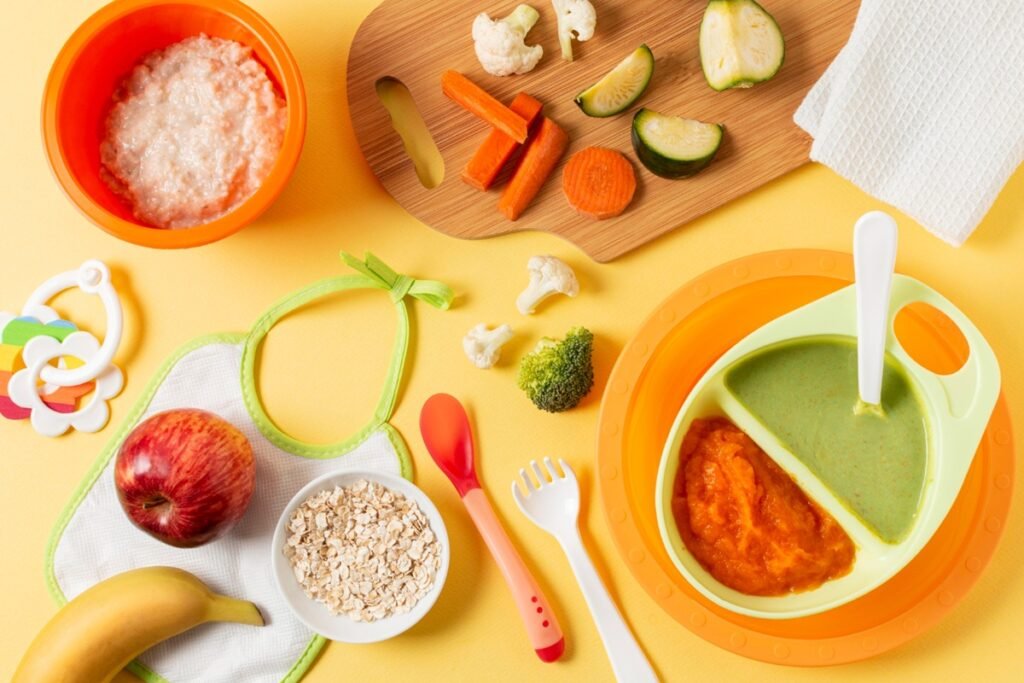
- Mixed vegetable and fruit combinations
- Gradually thicker textures
- Mild spices or herbs for flavour exposure
When buying baby food online, consider variety packs or bundles—they’re a practical way to explore different options without committing to a single flavour.
5. Packaging and Portability
Modern parenting often means feeding on the go—during travel, outings, or even a quick visit to the park. Packaging plays a surprisingly important role here.
Squeeze pouches, resealable containers, and single-serve packs are not just convenient but also help maintain hygiene. However, always check that the packaging is BPA-free and safe for food storage.
While convenience matters, it shouldn’t come at the cost of quality. The best choices balance both.
6. Shelf Life and Storage
One advantage of buying baby food online is access to a wider range of products, including those with longer shelf lives. But this also means you need to pay attention to expiry dates and storage instructions.
- Fresh or refrigerated options: Often more natural, but require immediate use
- Shelf-stable products: Convenient but should still be checked for preservatives
Make it a habit to read storage guidelines carefully, especially if you’re ordering in bulk.
7. Brand Transparency and Trust
Not all brands are created equal. Some go the extra mile to provide detailed information about sourcing, processing methods, and nutritional content.
Look for brands that:
- Clearly list all ingredients
- Share sourcing details
- Provide nutritional breakdowns
- Have positive customer reviews
When searching for the best baby food online, trust is built through transparency. If a brand is vague about what goes into its products, it’s worth reconsidering.
8. Allergens and Dietary Needs
Food allergies can develop early, so it’s important to be mindful of common allergens such as dairy, nuts, soy, and gluten.
If your baby has specific dietary needs or sensitivities, filter your search accordingly. Many online platforms let you sort products by allergen-free categories, making the process easier.
Even if there are no known allergies, introducing new foods gradually and observing reactions is always a wise approach.
9. Reviews That Go Beyond Ratings
Star ratings are helpful, but the real insights come from reading detailed reviews. Other parents often share practical experiences—how their baby responded to a particular flavour, whether the texture was suitable, or if the packaging was convenient.
Look for feedback on:
- Taste acceptance
- Digestibility
- Consistency of quality
These real-world insights can guide your decision more effectively than product descriptions alone.
10. Value for Money Without Compromise
Baby food can add up quickly, especially if you rely on it regularly. While it’s tempting to go for the cheapest option, quality should never be compromised.
Compare prices across platforms, check for bundle deals, and look out for seasonal discounts. The goal is to find a balance between affordability and quality.
Remember, investing in good nutrition during the early years is always worthwhile.
Conclusion
Choosing baby food online isn’t about finding a perfect product—it’s about making informed decisions that suit your baby’s needs and your lifestyle. From ingredient quality to packaging convenience, every small factor contributes to a bigger picture of care and nourishment.
As you explore options, keep your priorities clear: simplicity, nutrition, safety, and variety. With these in mind, finding the best baby food online becomes less overwhelming and more empowering.
At the end of the day, it’s not just about feeding your baby—it’s about building healthy habits that last a lifetime.